

Best Places to Invest in Property Australia: A Guide for Interstate Investors
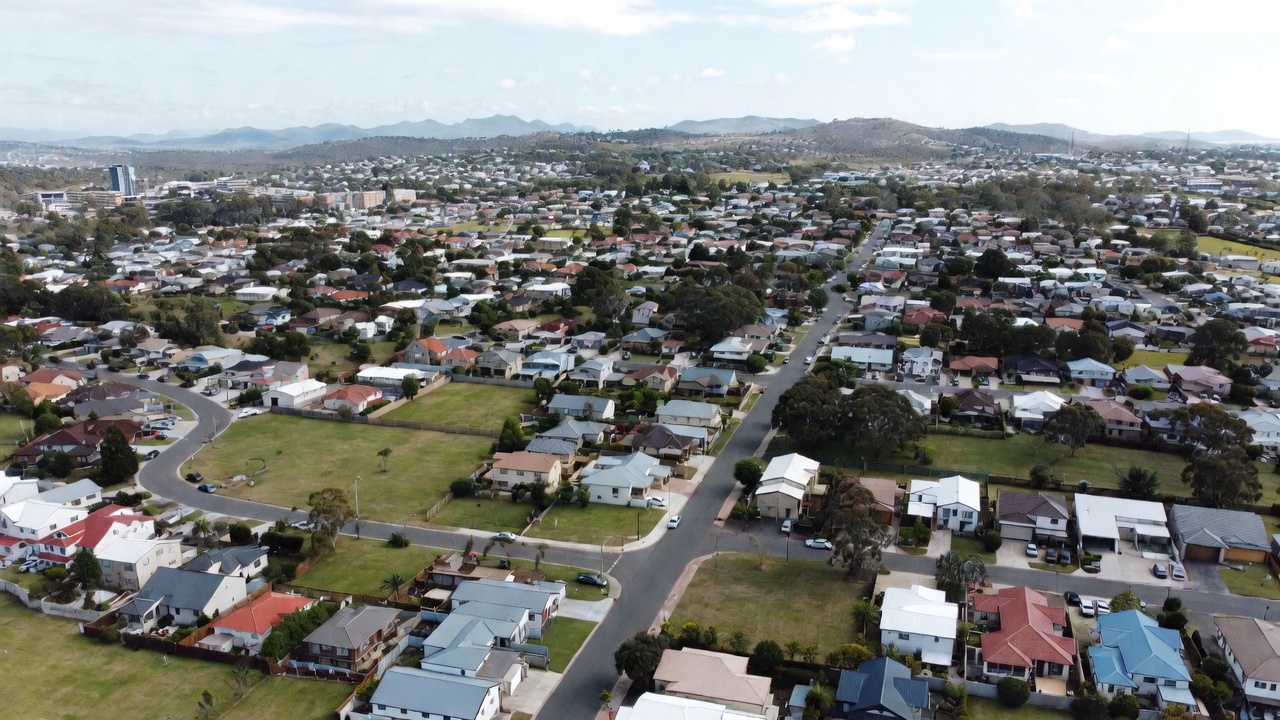
The best place to invest in property in Australia is not a single city. It is whichever market scores highest against a consistent set of criteria for your budget, timeframe and risk tolerance, and that answer changes depending on whether you are chasing growth, income, or both.
Brisbane, Perth, Adelaide and several regional Queensland markets are currently producing very different combinations of growth and yield, which makes this less a question of finding the one right city and more a question of matching a market to your strategy. For an investment property bought outside your home state, the comparison also needs to account for a factor most lists ignore: whether you can research, buy and manage the property without living nearby.
What Makes a Good Place to Invest in Property in Australia?
A market that has grown strongly over the past year is not automatically a good investment today. Past performance describes what already happened, not what is likely to happen next, which is why a defensible answer needs more than one number.
Seven factors do most of the work: capital growth potential, rental demand and yield, affordability relative to local incomes, population and employment growth, housing supply, infrastructure investment, and, for an interstate buyer specifically, how manageable the market is from a distance.
How We Compare Australian Property Markets
Rather than ranking markets by whichever has grown fastest recently, this comparison weighs capital growth, rental demand and yield, population and employment, affordability, supply and infrastructure together, since chasing one number in isolation is one of the more common paths into a weak property investment strategy.
Vacancy rate is worth singling out. A market can show excellent recent growth while quietly running out of rental demand, and a tight vacancy rate today is often a better forward indicator than a strong growth number that already happened.
Five Australian Property Markets Compared
Applying that framework consistently across five markets, rather than writing three paragraphs about whichever city is trending, is what helps an interstate investor compare like with like.
Median Dwelling Value by Market

Source: Cotality Home Value Index, REIWA and regional market data providers, indicative as at mid-2026

Gross Rental Yield by Market

Source: Cotality and REIWA rental data, indicative as at mid-2026
FOR EXAMPLE
An investor with a $600,000 deposit-adjusted budget could enter Toowoomba comfortably with room for a buffer, stretch into the Sunshine Coast at the edge of their capacity, or use the same budget as a deposit on a higher priced Brisbane or Perth property. The right answer depends on their cash flow tolerance, not just which market has the highest number.
Why Interstate Investors Need a Different Approach
A local buyer can inspect a property on a Saturday, drive past it again on a Tuesday, and ask a neighbour what the street is really like. An interstate investor cannot rely on any of that, which means the research process needs to be built deliberately rather than assumed.
An independent building and pest inspection matters more, not less, when you cannot walk the property yourself. The same applies to a rental appraisal from a local property manager, checked against genuinely comparable recent sales rather than a suburb-wide median that can hide very different pockets of performance.
What This Looks Like in Practice
FOR EXAMPLE
An investor shortlisting a Toowoomba property engages a local buyer's agent for suburb-level due diligence, orders an independent building and pest inspection, and asks a local property manager for a rental appraisal against three genuinely comparable recent lettings, rather than relying on the LGA-wide median rent.
Capital Growth vs Rental Yield: Why They Rarely Peak Together
Markets that have grown the fastest recently, like Perth and Toowoomba in this comparison, often carry tighter yields than markets earlier in their cycle, simply because prices have moved up faster than rents. The reverse can also be true in markets where rents are catching up to a price level that has already stabilised.
Growth vs Yield by Market

Source: Indicative comparison based on data referenced above, mid-2026
Common Mistakes Interstate Property Investors Make
Chasing the highest recent growth figure is the most common mistake, since a number that has already happened tells you nothing about what a lender, a tenant, or the market will do next. Ignoring vacancy rates is a close second, particularly in markets where a low number today can mask new supply arriving in twelve to eighteen months.
The third pattern is choosing a market purely on affordability without checking whether local employment and population growth can support it. An affordable market with a shrinking population is not a bargain, it is a market with structurally weak demand. Reviewing the fundamentals behind your investment property tax deductions and cash flow position before you commit still matters far more than the entry price alone.
Final Thoughts
There is no single best place to invest in property in Australia, only the market that best fits your budget, timeframe and appetite for growth versus income. Comparing markets on the same seven factors, rather than chasing whichever city is trending, is what protects an interstate investor from an expensive mistake.
Frequently Asked Questions
Recommended Reading
Two pages selected based on what readers of this article are most likely to need next.
Recommended Video
Most investors are still positioned in capital cities — but in 2026, that allocation gap is creating real opportunity cost. In a market where timing, positioning, and yield profiles compound into long-term outcomes, that disconnect matters more than most people realize.