

Investment Property in Australia: Research and Buying Guide
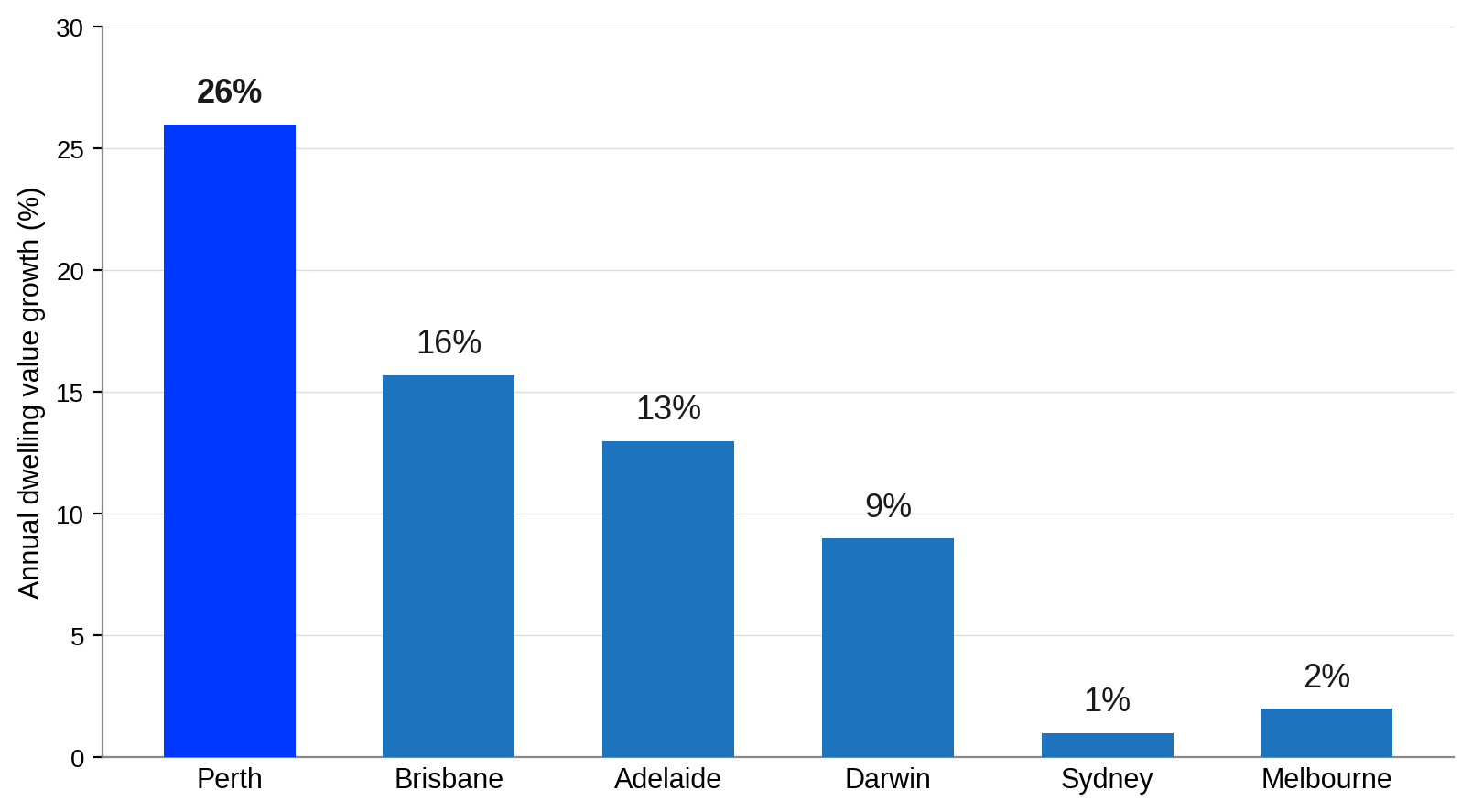
Most people learn how to buy an investment property the expensive way, by buying first and researching later. The truth is, the order should be reversed. With Perth values running more than 20 per cent in a year while Sydney and Melbourne drift sideways, the gap between a good decision and a costly one has rarely been wider.
Buying well is not about finding a hot suburb. It is a sequence: confirm what you can fund, read the market, then test the property against the numbers. Your starting point is rarely the property. It is your borrowing capacity, because that single figure quietly decides which suburbs and strategies are even open to you.
Start With the Decision, Not the Property
Buying an investment property is a financial decision before it is a real estate one. The home you would love to live in and the property that performs as an investment are rarely the same asset, and confusing the two is the first mistake new investors make.
Begin with the goal. Are you buying for income now, or growth over a decade? That single choice shapes everything downstream, from the city you target to the type of dwelling you can afford to hold.
Then set the budget honestly. Your deposit, buying costs and cash flow buffer matter as much as the headline price. A property you cannot comfortably hold through a vacancy or a rate rise is a risk, not an asset.
How to Research an Investment Property in Australia
National averages hide more than they reveal. The Australian property market does not exist as a single thing. In early 2026 the spread between the strongest and weakest capital reached around 24 percentage points, the widest in CoreLogic's modern records.
Annual Capital Growth Varies Wildly by City
Source: CoreLogic, 2026
Good research reads the drivers underneath the numbers. Population growth running ahead of new housing supply is the clearest signal, because it puts sustained pressure on both prices and rents.
Dwelling approvals nationally sat near 196,000 a year in early 2026, well short of the 240,000 the Housing Accord targets, according to ABS housing data. That gap helps explain why undersupplied markets keep climbing.
How to Analyse an Investment Property's Returns
Once you have a market, the property has to earn its place on the numbers. Two figures matter most, and they usually work against each other.
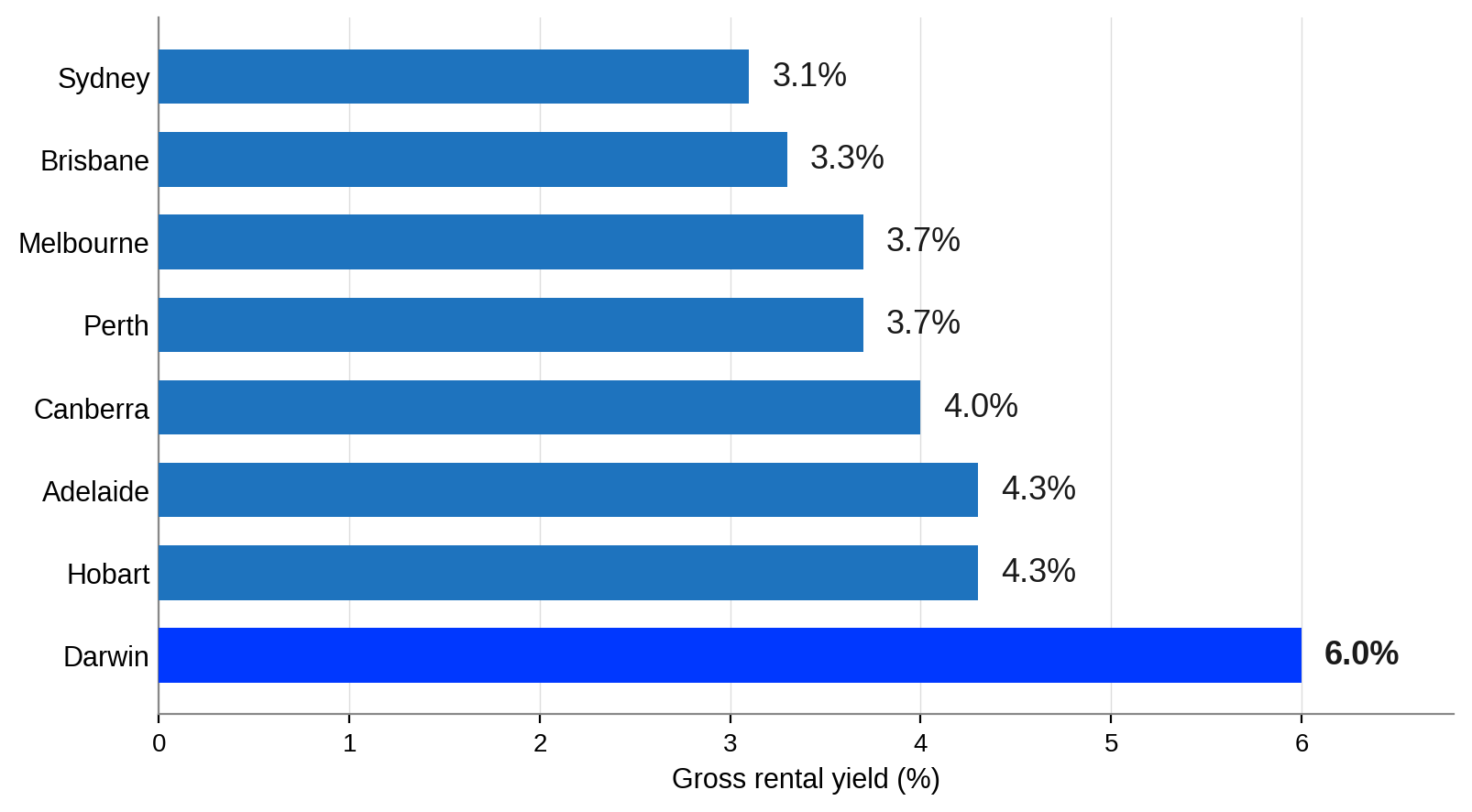
Rental yield is the annual rent as a percentage of the property's value. Capital growth is how much the value itself rises over time. High-yield markets tend to show weaker long-term growth, and high-growth markets tend to show thin yields.
Gross Rental Yields Across Australia's Capital Cities
Source: CoreLogic, March 2026
This is the trade-off that sits under every property decision. A blue-chip Sydney house might yield barely 3 per cent yet has a long record of strong price growth, while a regional town can pay 6 per cent and grow slowly. There is no universally correct answer, only the answer that fits your strategy.
FOR EXAMPLE
A $600,000 property renting at $500 a week earns $26,000 a year, a gross yield of about 4.3 per cent. After management fees, rates, insurance and maintenance, the net yield often lands one to two points lower, which is the number that actually hits your bank account.
How to Choose Investment-Grade Locations
Within any city, performance is uneven. The work of learning how to choose investment grade suburbs comes down to a short list of fundamentals that repeat across strong markets.
Look for steady population growth, local employment that is not tied to a single industry, infrastructure that is funded rather than promised, and a rental market with low vacancy. Vacancy nationally sat near 1.6 per cent in early 2026, well below the long-run average of around 2.5 per cent, which is why landlords have held pricing power through the rate cycle.
How Lenders Decide What You Can Actually Buy
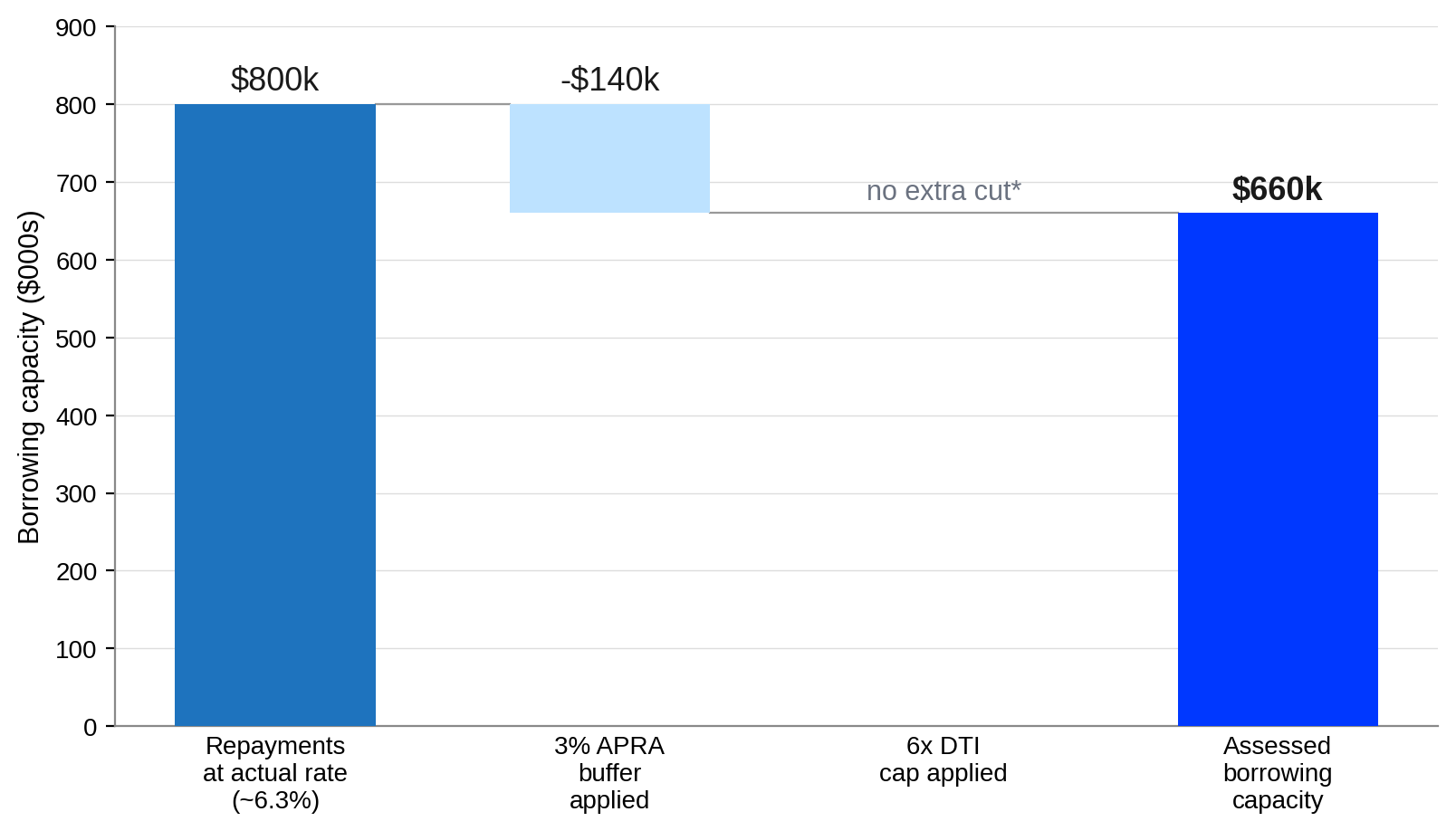
Here is where many plans quietly shrink. Lenders do not assess you at the rate you will pay. They test you at roughly 3 percentage points higher, a rule APRA has held firm on through 2026.
How the 3% Buffer Shrinks Your Borrowing Power
Source: APRA, 2026
A second limit now sits alongside it. From early 2026, lenders are restricted in how much they can lend above six times a borrower's income, a debt-to-income cap that bites hardest in expensive cities. Your real budget is set by the bank's assessment, not by what you feel you can afford, so confirming it first stops you falling for a property you were never going to fund.
A 5-Step Framework to Buy an Investment Property With Confidence
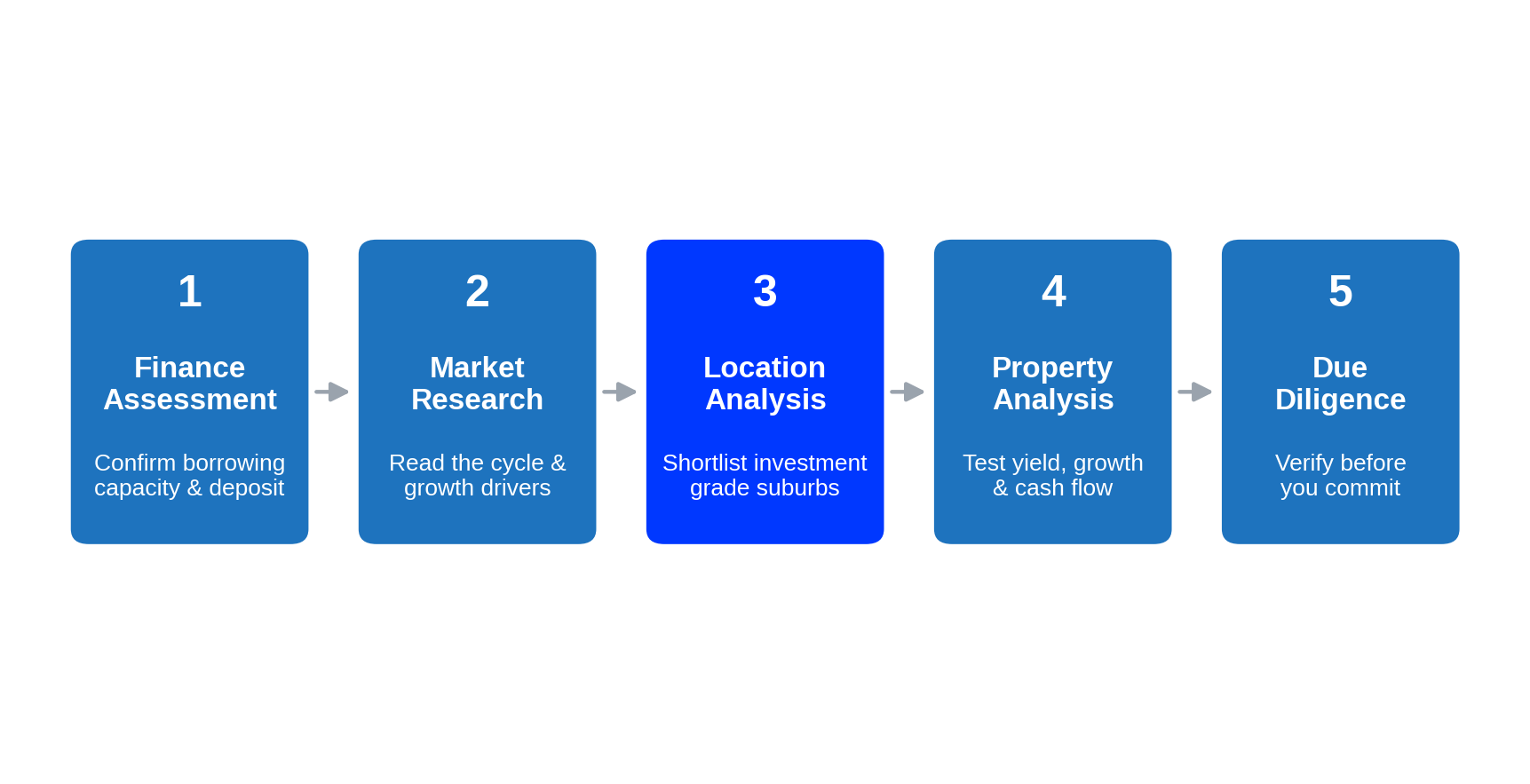
Put together, the process is a sequence, not a checklist you can shuffle. Each step narrows the field before the next.
The 5-Step Acquisition Framework
Source: FPW Group, 2026
Due diligence is the step most rushed and most regretted. Comparable sales tell you if the price is fair. Building and pest inspections protect you from structural surprises. Strata records reveal whether a unit's body corporate is healthy or heading for a special levy. Rental appraisals confirm the income the deal depends on.
Final Thoughts
Knowing how to buy an investment property is less about secret suburbs and more about discipline. The investors who do well are rarely the ones chasing the fastest market. They are the ones who confirm their finance first, read the market honestly, analyse the numbers without flattering them, and verify everything before they commit.
The framework here is deliberately ordered, because the order is what protects you. Decision before property. Research before purchase. Due diligence before settlement. Get that sequence right and the property almost chooses itself. If you want a second set of eyes on where you stand, that is exactly the kind of conversation worth having before you buy.
Frequently Asked Questions
Recommended Reading
Two pages selected based on what readers of this article are most likely to need next.
Recommended Video
These are not dramatic mistakes or rare worst-case scenarios. They’re the pressure points that often show up after purchase—when the property is already settled, the loan is in place, and the reality of ownership starts to unfold. From growing cashflow pressure and tenant risk to interest rate changes, rising ownership costs, overpaying at the start, and making structural decisions too late, this episode explains why even good properties can start to feel heavy when these issues aren’t understood early.