

Perth Real Estate Guide: Prices, Suburbs, Market Trends and Buyer Insights
Perth real estate has gone from quiet to one of Australia’s most watched investment markets. Affordability, population growth, and tight rental supply have lifted demand while Sydney and Melbourne stagnated.
Investors now ask whether Perth still offers value or the cycle has run. The answer depends on which part of the market you target and what you need from the investment. This guide breaks it down.
Understanding how to choose investment grade suburbs is the starting point for any serious Perth property decision.
What Defines the Perth Real Estate Market Today
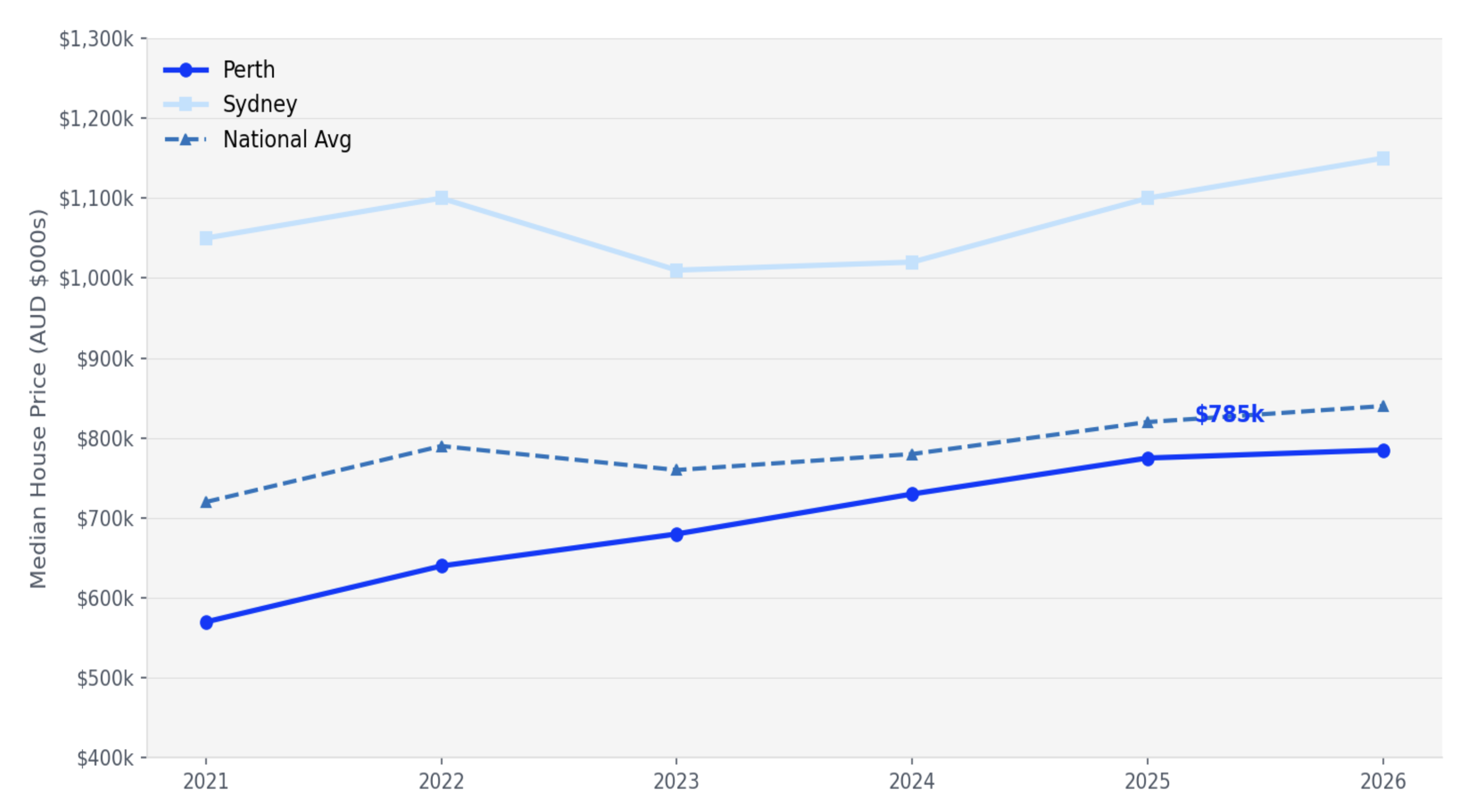
Perth sits at a different point in the cycle than the east-coast capitals. Where Sydney and Melbourne peaked post-COVID then corrected, Perth has run steadier since 2021, driven by affordability migration, the resources boom, and a chronic undersupply of new housing.
Western Australian population projections point to continued growth through 2030, and with land supply constrained in established inner suburbs, the structural drivers remain intact. This is not speculative froth; it is real demand meeting limited supply.
Property Prices in Perth Australia: What the Data Shows
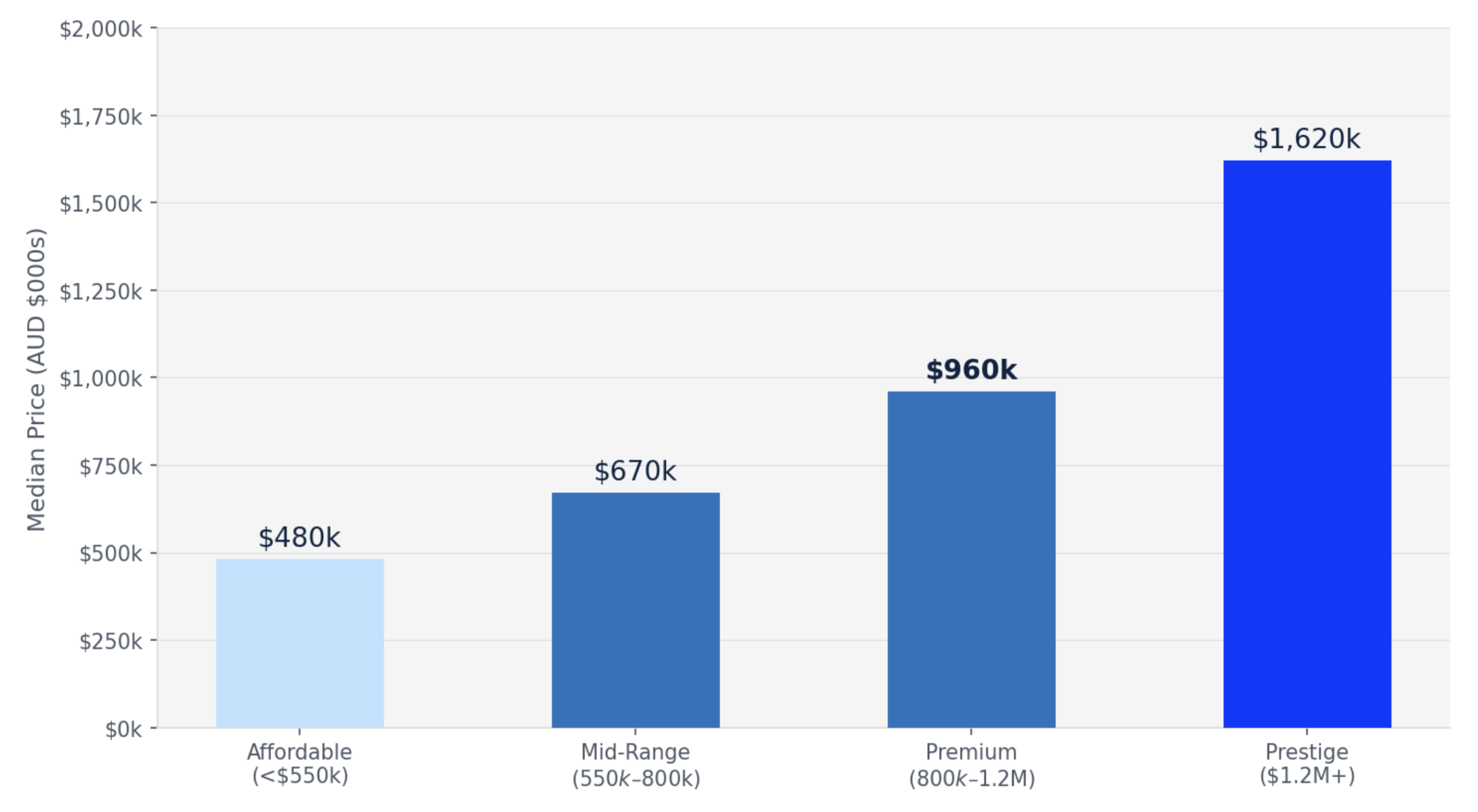
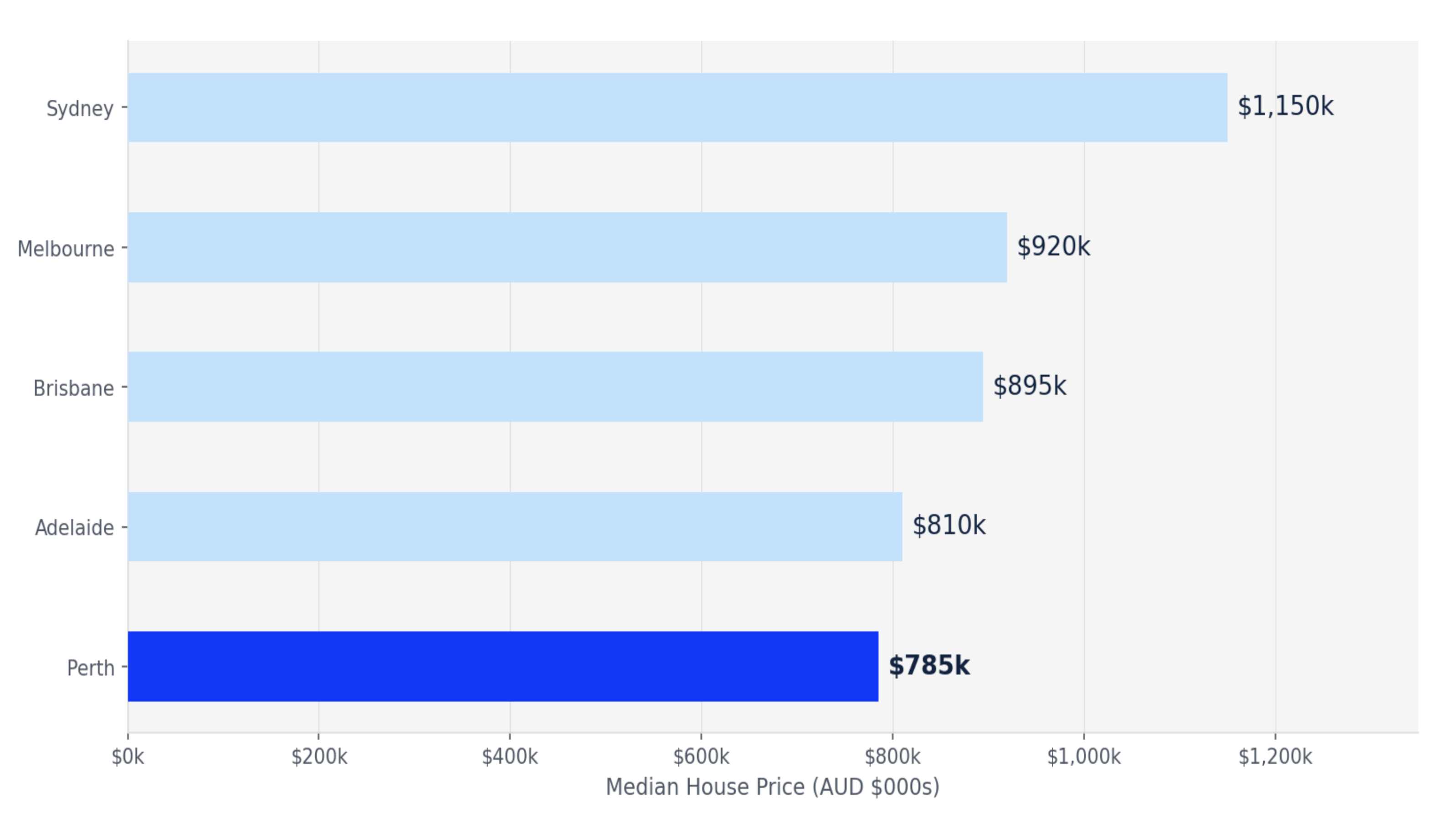
Perth’s citywide median sits around $785,000 as of mid-2026, but that headline hides sharp variation: the market segments by suburb tier, and entry points differ enormously by location.
Perth Suburb Price Tiers at a Glance
Source: CoreLogic, 2026
Mid-range suburbs ($550,000 to $800,000) such as Baldivis, Butler, and Ellenbrook are established, well-serviced communities with newer stock and strong owner-occupier and investor demand.
Rental Yields and Demand Across Perth Suburbs
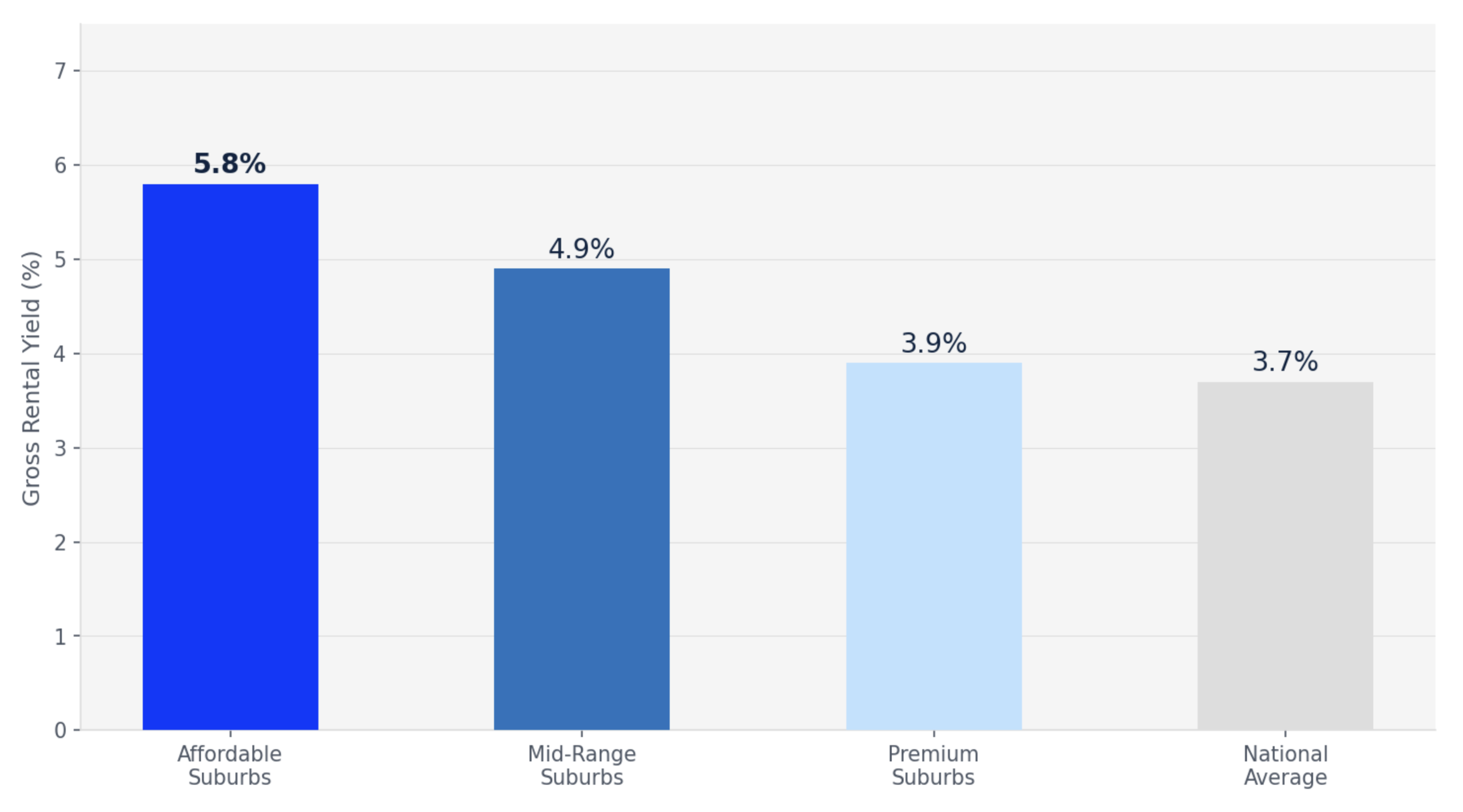
Perth’s rental market is arguably the country’s strongest. Sub-1% vacancy is no temporary dip; it reflects years of underbuilding against accelerating population growth, rewarding investors through rent growth and very low vacancy risk.
Gross Rental Yield by Suburb Tier
Source: REIA, 2026
The rental crisis in Australia has hit Perth particularly hard. Tenants are competing for limited stock and landlords are holding exceptionally strong negotiating positions at lease renewals.
South Perth Property: Why This Suburb Commands a Premium
South Perth sits across the Swan River from the CBD, pairing prestige amenity with genuine family demand: riverside parks, strong school catchments, boutique retail, and some of WA’s most appealing streetscapes. These are structural demand drivers, not cosmetics.
Median prices run from about $1.3M to $1.7M depending on river proximity and block size. It is a long-hold capital-growth asset yielding roughly 3.0 to 3.5%, with top-end demand from corporate tenants and executives.
Best Perth Suburbs for Property Investment in 2026
Perth’s investment-grade suburbs divide by strategy: growth plays and yield plays rarely share a postcode.
High-Growth Suburbs: Capital Appreciation Focus
Strong capital-growth suburbs include Scarborough, Inglewood, Mount Lawley, and Bassendean, inner and middle-ring areas lifted by gentrification, infrastructure spending, and younger professionals wanting CBD proximity without South Perth prices.
High-Yield Suburbs: Cash Flow Focus
The yield play sits in Perth’s outer corridors. Rockingham, Mandurah, Midland, and Armadale offer gross yields above 5% with sub-1% vacancy, built for neutral or positive cash flow rather than quick growth.
Read the wider context on property investors in Brisbane, Adelaide, and Perth to understand how Perth compares in the interstate investment landscape.
Coastal Suburbs: The Lifestyle Premium
Cottesloe, City Beach, and Floreat command premiums for coastal access. Tightly held and rarely discounted, they draw fierce competition and premium tenants (executives, expats, corporate short-stays) supporting income even at compressed yields.
Is Perth Real Estate a Good Investment? The Bull and Risk Case
Perth’s case rests on fundamentals, not speculation: sustained population growth, genuine undersupply, affordability relative to the eastern capitals, and some of the strongest yields in the country.
The Case For Investing in Perth Now
Perth remains the most affordable capital with strong yield credentials. Eastern-state investors who rotated capital here from 2021 have seen solid income and capital returns, and the core drivers (population, supply, employment) have not reversed.
Risks Worth Understanding Before You Buy
Perth is commodity cycle-linked: when iron ore and energy prices fall, the WA economy feels it, as the 2012 to 2020 stagnation showed. Short-horizon investors should weigh that exposure.
Review your borrowing capacity carefully before committing to any Perth purchase. Lenders assess Perth the same way they assess any Australian market: serviceability buffer, DTI limits, and rental income shading all apply.
How to Buy Investment Property in Perth: A Practical Framework
Buying in a market you don’t live in demands a different approach. Most interstate and offshore investors underperform because they rely on aggregated data, move too slowly, or never validate demand at the suburb and street level.
Step 1: Finance First
The most common first-timer mistake is choosing the property before confirming finance. Perth’s competitive suburbs move fast, and conditional offers often lose to unconditional ones, so be finance-ready before you shortlist.
Work through your debt-to-income ratio with a mortgage broker before shortlisting suburbs. Knowing your ceiling shapes every other decision in the process.
Step 2: Suburb Selection Using Data, Not Headlines
Work from suburb-level vacancy, not citywide averages: a sub-1% city figure can hide a suburb at 2.5% with oversupplied new builds. Check demand by dwelling type too: three-bed houses in a retiree suburb serve a different market than family homes near good schools.
When to Use a Buyers Agent
Interstate buyers without local knowledge start at a structural disadvantage, and agents work for vendors. A buyers agent on your side finds off-market stock, applies criteria dispassionately, and won’t rush you to suit a commission timeline.
Perth vs Other Capital Cities: Affordability and Value Comparison
Median House Price Comparison: Perth vs Australian Capital Cities
Source: Cotality, 2026
Five-Year Price Growth Trend
Source: PropTrack, 2026
Final Thoughts
Perth in 2026 sits in a genuine opportunity window, not a speculative one. The fundamentals (population growth, rental tightness, affordability, yield strength) are real and data-supported. So are the risks (commodity-cycle linkage, outer-suburb vulnerability, rate sensitivity), which should be stress-tested before you commit.
For a broader view of property investment in Australia, see FPW's full investor guide covering strategy, structure, and market selection across all capital cities.
Frequently Asked Questions
Recommended Reading
Two pages selected based on what readers of this article are most likely to need next.
Recommended Video
Most investors are still positioned in capital cities, but in 2026, that allocation gap is creating real opportunity cost. In a market where timing, positioning, and yield profiles compound into long-term outcomes, that disconnect matters more than most people realize.