

Property Investing Without Family Help: What It Takes to Build Wealth

Property investing without family help is possible, but it usually takes longer and leaves less room for error. Without a gifted deposit, your own savings, income and borrowing capacity set the pace, so what you can buy and how soon depend on numbers you build yourself.
The gap is real, but it is smaller and more specific than most people expect. Our worked example puts a figure on the head start family money gives, and shows which costs catch first-generation investors out before they reach settlement.
Below, we break down the costs, the borrowing limits and the decisions that matter most when you build property investment wealth from scratch.
Can You Build Property Wealth Without Family Money?
Yes, but you start from a different position. Family help usually comes as a cash gift, rent-free living while you save, or a parent guaranteeing part of the loan, and each one shortens the time it takes to buy.
That help has become common. Finder’s 2026 Home Loan Report found two-thirds of Gen Z home buyers received some form of family help, compared with 11% of Baby Boomers.
What first-generation property investors have to fund themselves
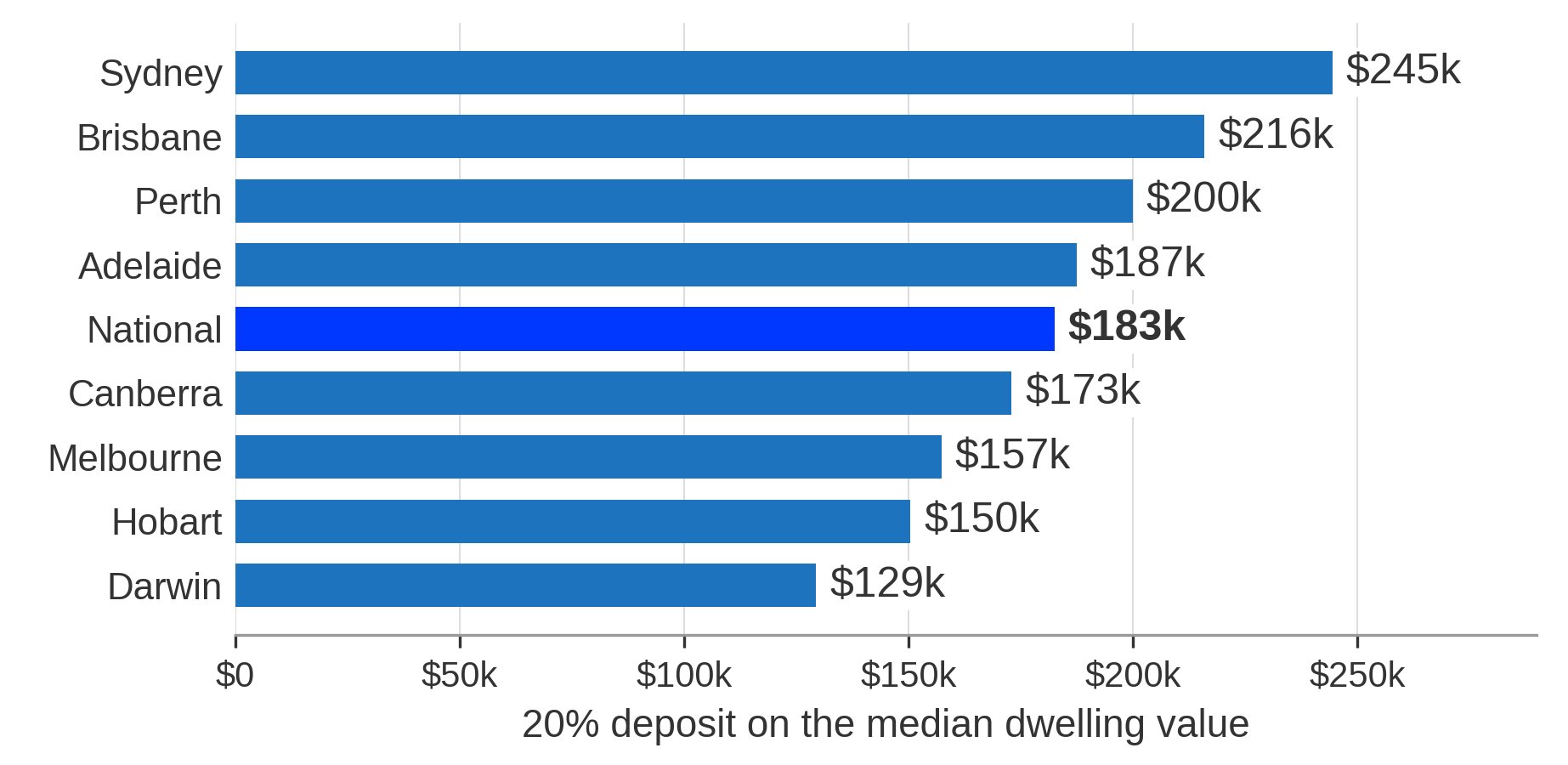
Without that support, the deposit, stamp duty and every safety buffer come from your own income. Cotality’s affordability report found saving a 20% deposit on a median-priced home took a record 11 years as at September 2025, for a household saving 15% of its gross income.
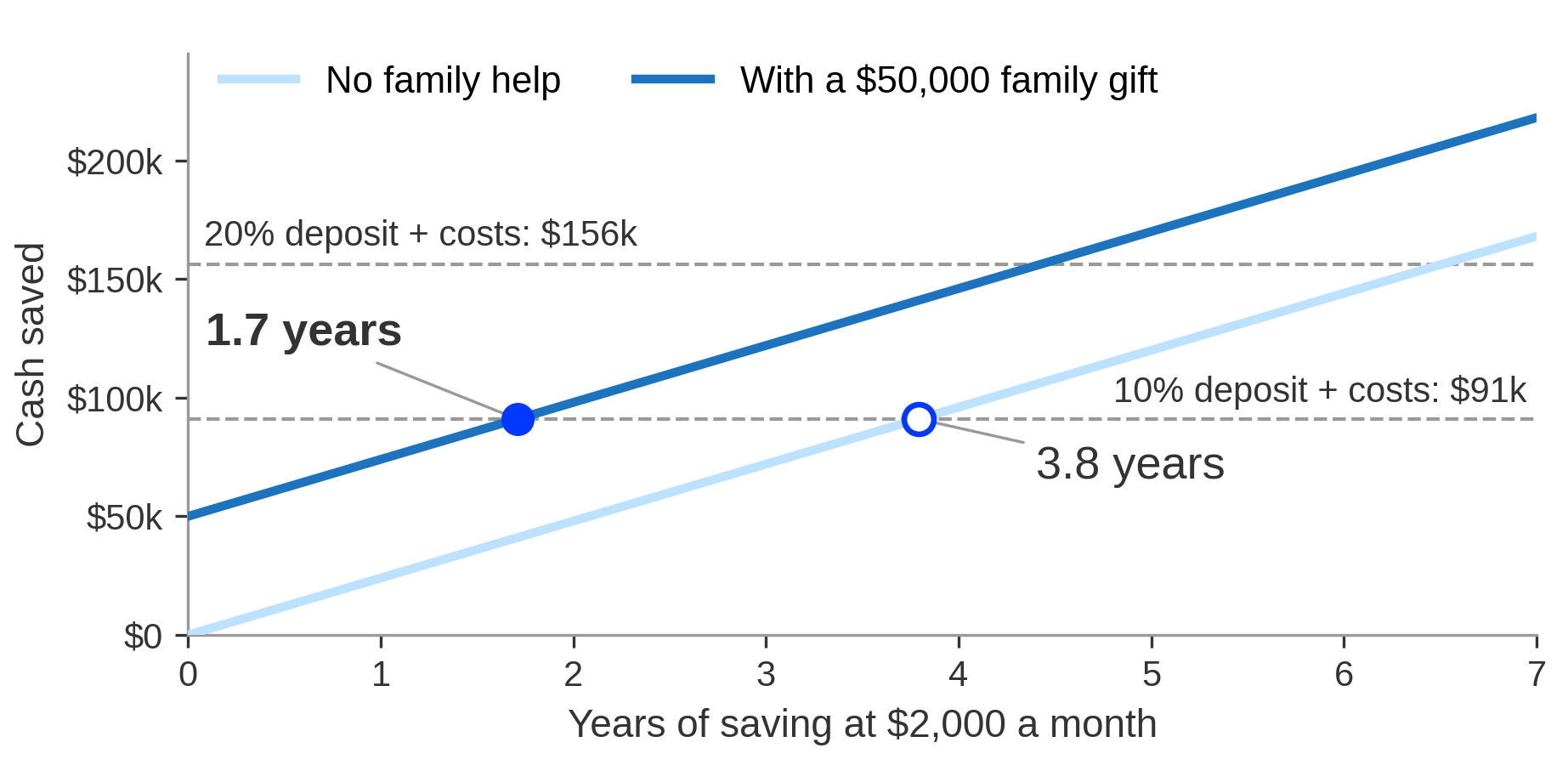
How a $50,000 Family Gift Changes the Time to Save
Source: FPW Group calculations, October 2026
Two years matters, but it does not decide the result. The price you pay, the property you choose and how long you hold it shape your wealth far more over time.
What Does It Cost to Start Property Investing?
The deposit is only the largest part of the upfront bill. Stamp duty, legal fees and inspections are paid in cash too, and they usually cannot be added to the loan.
The 20% Deposit on a Median-Priced Dwelling by Capital City
Source: Cotality Home Value Index, September 2026
Stamp duty, legal costs and other purchase costs
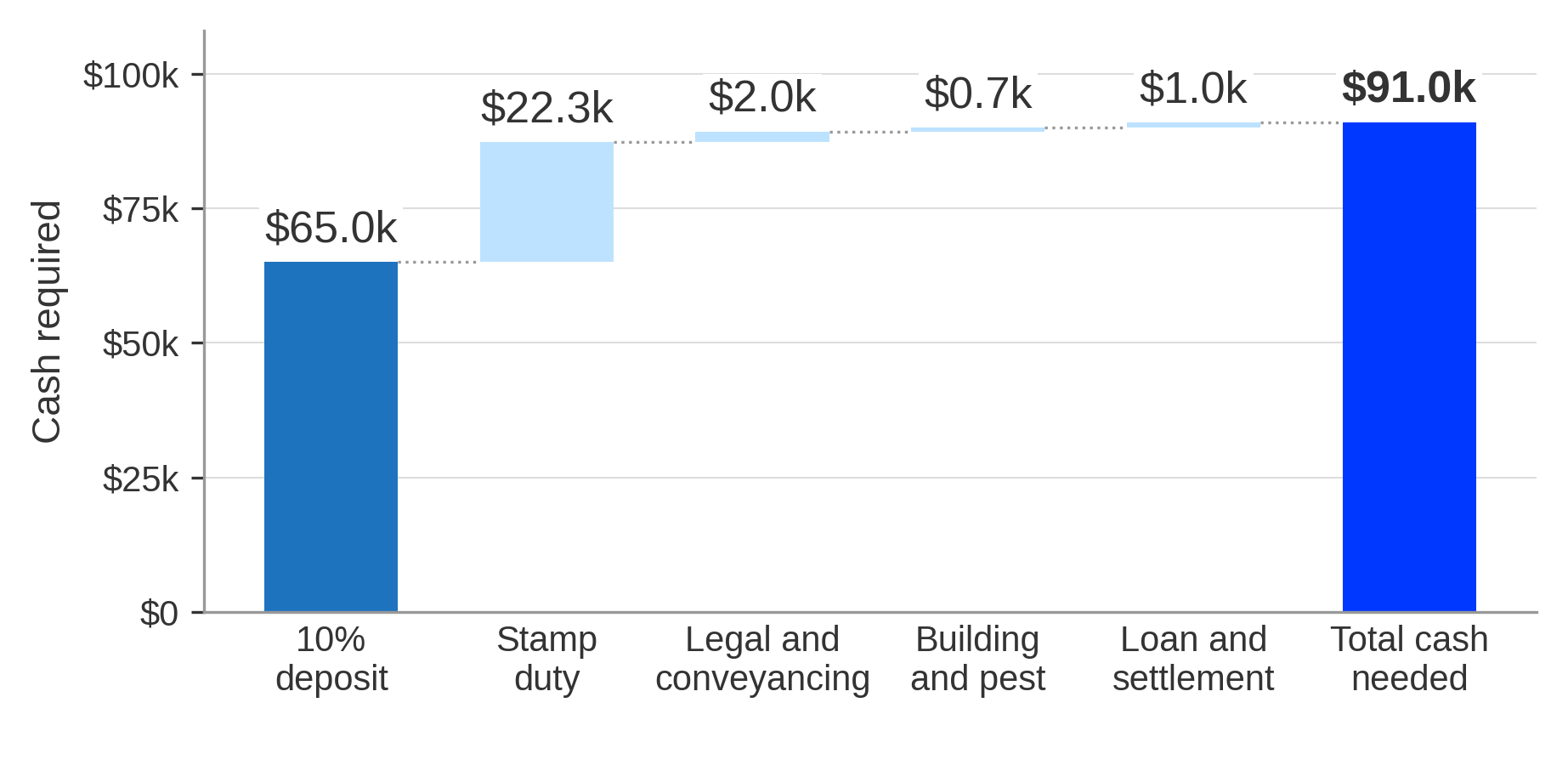
Most investors starting out use a 10% deposit and pay lenders mortgage insurance (LMI), a one-off fee that protects the lender when you borrow more than 80% of the value. LMI is often added to the loan, but stamp duty is not.
In Queensland, transfer duty on a $650,000 investment property is $22,275 at the general rate, based on Queensland Revenue Office rates. Legal fees, inspections and loan costs add a few thousand more.
Upfront Cash to Buy a $650,000 Investment Property With a 10% Deposit
Source: Queensland Revenue Office transfer duty rates; FPW Group calculations, October 2026
A smaller deposit gets you in sooner, but it means a bigger loan, higher repayments and LMI. That trade-off ties straight back to borrowing capacity in Australia, which is where many first-generation investors hit their next limit.
How Much Can You Borrow Without Family Support?
Lenders look at your income, existing debts, living costs and how much of the expected rent they will count. They also test repayments at a higher rate than the one you will pay, so the limit is often lower than buyers expect.
That limit has tightened in 2026. The Reserve Bank lifted the cash rate again on 29 September, and Cotality estimates the four rate rises since February have cut borrowing capacity for a median-income household by almost $90,000.

Why borrowing capacity can become the bigger constraint
A family gift helps with the deposit, but it does not raise your income. For first-generation investors, a car loan, unused credit card limits or HECS debt can cut borrowing capacity more than a smaller deposit does.
Some families help without cash by acting as guarantor. A guarantor home loan can reduce the deposit needed, but it puts the guarantor's own home at risk, so it needs careful advice.
Does Property Price Decide How Quickly You Can Start?
A cheaper property needs a smaller deposit, so it can bring the first purchase forward. But price also shapes rent, holding costs and growth, so a lower entry price solves one problem and can create another.
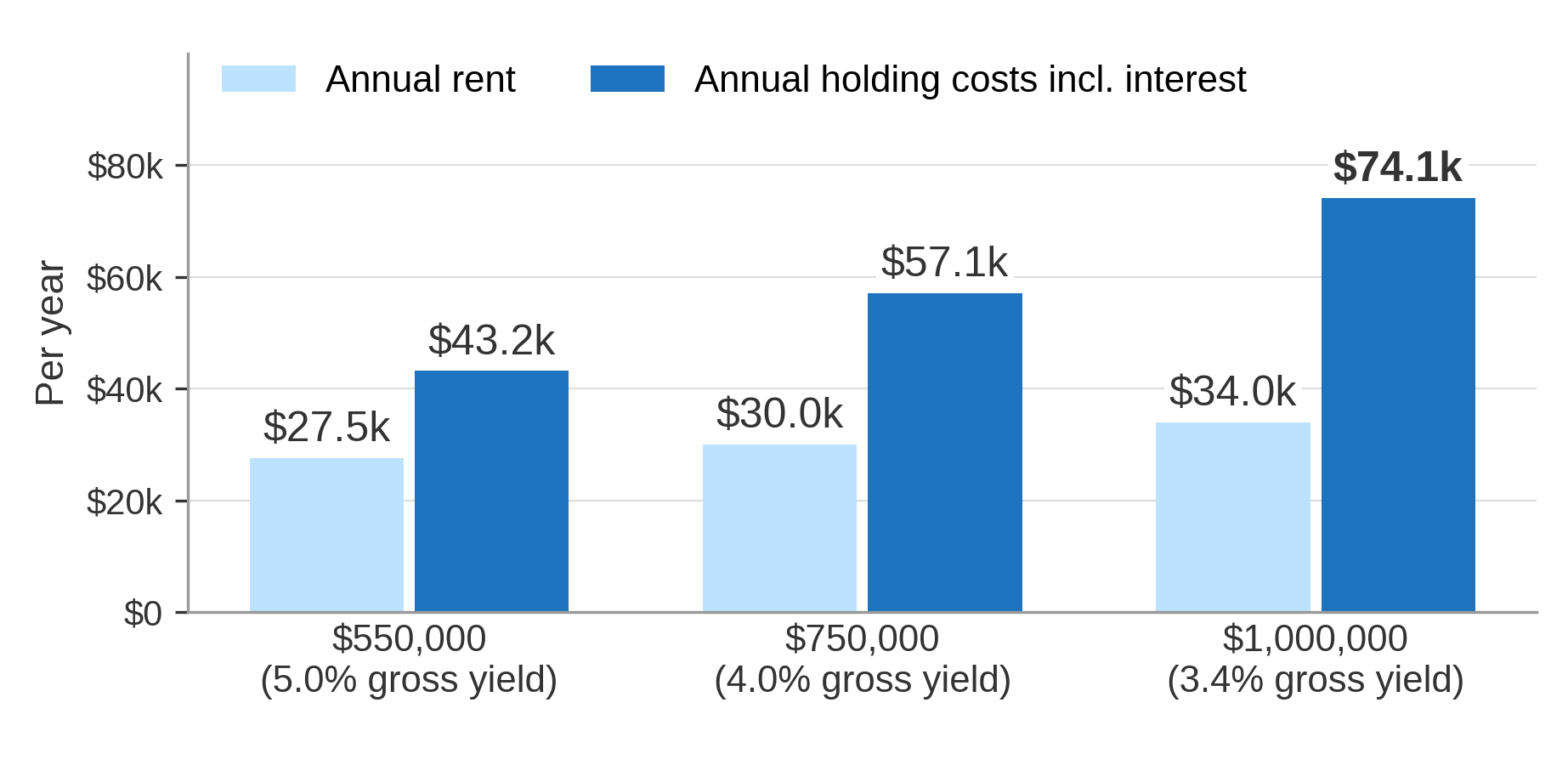
Annual Rent vs Annual Holding Costs at Three Price Points
Source: FPW Group calculations using Cotality gross yields, October 2026
The model assumes a 90% loan at 6.9% interest only, plus rates, insurance, management and maintenance. Gross yields are 3.4% in Brisbane and 6.3% in Darwin, according to Cotality, so higher-yield markets narrow the weekly gap you must cover yourself.
Why the tax treatment of rental losses has changed
The 2026 Federal Budget made that gap harder to carry. From 1 July 2027, losses on established properties bought after Budget night can no longer reduce tax on wages, though new builds are exempt, according to the ATO.
Our guide to negative gearing rules explains how this affects your cash flow.
Buying at a price the numbers can support
The aim is not the cheapest property but one with steady rental demand and a cost you can hold through rate rises. Learning how to choose investment-grade suburbs helps you compare markets on more than price.
Our best places to invest in property guide and our list of investment suburbs under $500,000 show where lower entry prices and rental demand currently line up.
What Happens After the First Property?
The first property is where almost all the cash comes from your own pocket. After that, growth in the property's value and a smaller loan can create equity, which is the gap between what the property is worth and what you owe.
Equity is how many investors buy a second property without saving another deposit from scratch. But every new loan uses borrowing capacity, and borrowing to your maximum can add risk rather than wealth.
Is It Worth Waiting to Save a Bigger Deposit?
Waiting for a 20% deposit avoids LMI, but in our example it takes about 6.5 years instead of 3.8. Over that time, rents, interest rates and prices all keep moving.
Waiting is not automatically costly right now. Cotality's national index fell for a sixth straight month in September and is now 5.2% below its March peak, so prices are not running away from savers the way they did in 2021.
The real cost of waiting is time in the market. Each year you delay is a year without rent, without paying down debt and without any growth.
Some first-generation buyers start with a home and rent it out later, an approach our guide to buying your first home as an investment property covers.
What It Takes to Build Property Wealth Without Family Help
Starting without family help is mostly about controlling the parts you can. The table below separates the two.
Strategy matters more than the number of properties you own. Getting investment property advice early helps you set a plan that fits your income and timeline.
Final Thoughts
Property investing without family help is harder at the start, and the numbers show it. In our example, a family gift brings the first purchase forward by about two years, and every cost from stamp duty to the weekly cash flow gap falls on your own budget.
But the starting point does not decide the outcome on its own. Borrowing capacity, the price you pay, rental demand and how long you hold the property shape your results far more over time.
First-generation investors who build wealth through property tend to know their numbers early. They buy at a price their income can carry, protect their borrowing capacity and treat the first property as the base for what comes next.
Frequently Asked Questions

Recommended Reading
Two pages selected based on what readers of this article are most likely to need next.
Recommended Video
If you’re trying to understand how to use equity, improve borrowing power, structure your loans correctly, or build a long-term property portfolio, this video gives you a step-by-step roadmap.