

Housing Supply in Australia: Where Could Investors Benefit?
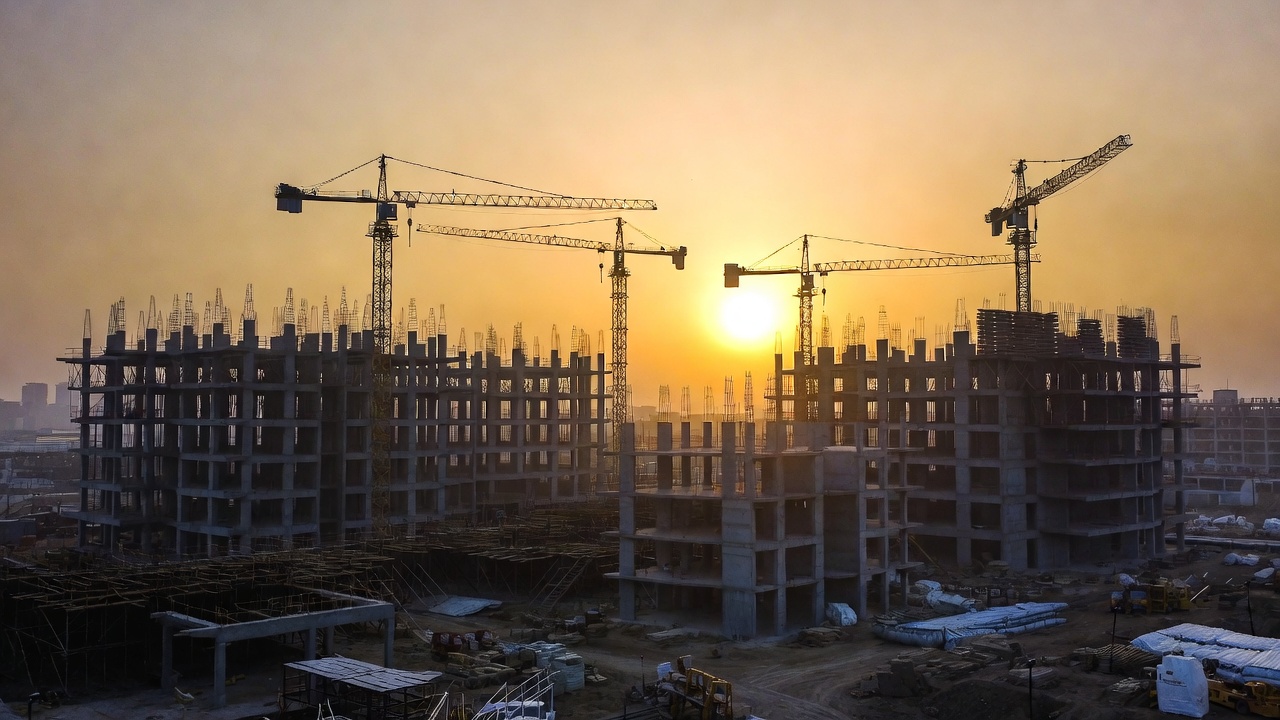
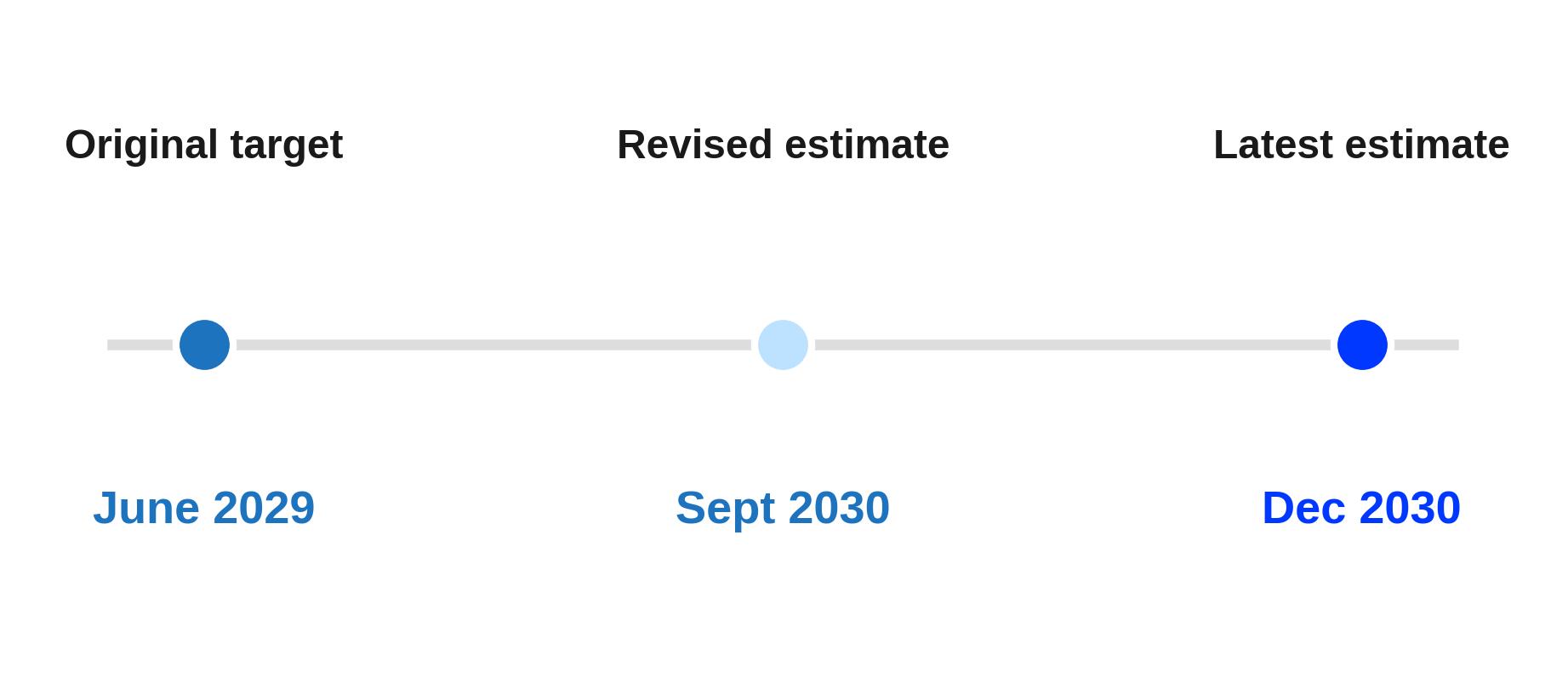
Australia has a housing shortage. The government promised 1.2 million new homes by June 2029, and that target has already slipped to December 2030.
Supply is not keeping up. Approvals and commencements have risen since the National Housing Accord began, but completions still trail the pace needed to close the gap.
For investors, the real question is not whether a shortage exists. It is which markets are most constrained, and why. That is where the opportunity sits.
What Counts as Housing Supply in Australia?
Housing supply is not just new construction. It includes existing dwellings, homes under construction, completed builds waiting for occupancy, and established stock changing hands. Rental supply counts too, since a vacant existing home can ease pressure as much as a new one.
The mix matters as much as the total. A market can show thousands of approvals and still deliver few homes that suit the people who need them, whether that is families needing three bedrooms or downsizers wanting single level living.
Across the 2025 to 2026 financial year, private apartment approvals rose 13.2 percent to 48,778, according to the Australian Bureau of Statistics. Detached house approvals grew far more slowly over the same period, widening the gap between what gets approved and what different households actually want.
Is Australia's Housing Supply Keeping Up With Demand?
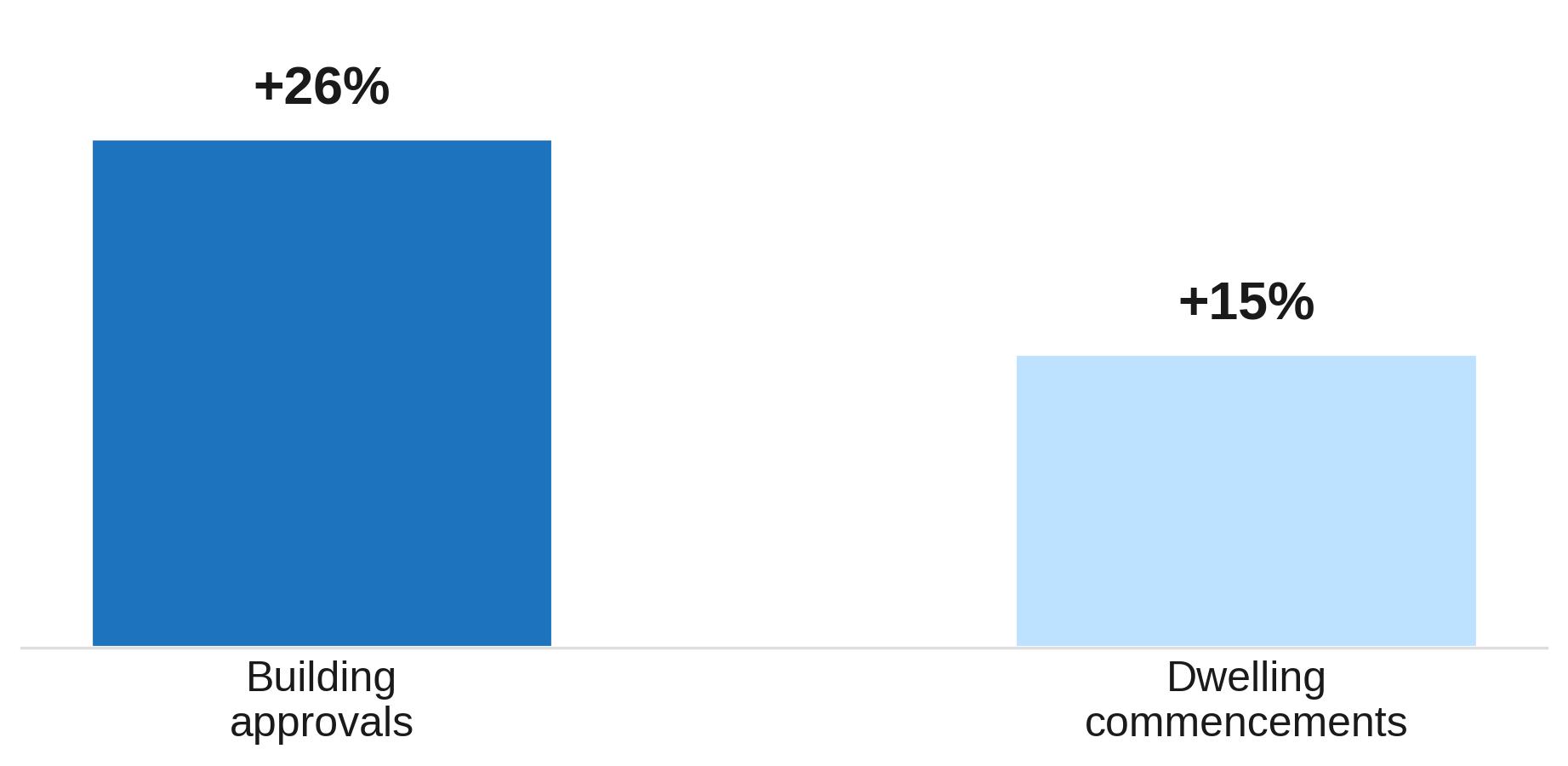
Supply has genuinely improved since the National Housing Accord began in 2024. Quarterly building approvals are up 26 percent and dwelling commencements are up 15 percent compared with the quarter before the Accord started, according to the National Housing Supply and Affordability Council.
Housing Accord Progress: Approvals and Commencements vs Pre-Accord Baseline
Source: National Housing Supply and Affordability Council, Quarterly Report, August 2026
There were 244,000 dwellings under construction in the March 2026 quarter, the highest figure since records began in 1984. That sounds like strong momentum, but the Council's own modelling now expects the 1.2 million home target to be reached in December 2030, against an original June 2029 goal, a shift covered further in the housing shortage in Australia outlook.
1.2 Million Home Target: How the Delivery Timeline Has Slipped
Source: National Housing Supply and Affordability Council, State of the Housing System 2026
Demand has not stood still either. Population growth and smaller average household sizes both add pressure that a rising approvals number does not automatically solve. Interest rate movements compound this further, since higher rates can slow new commencements even as they cool buyer demand.
Why Is Housing Supply So Difficult to Increase?
Three constraints repeat across almost every under supplied market: land, planning, and cost. Land that is zoned for housing is not automatically ready to build on, and planning approval can take years even where zoning already exists.
Construction costs have kept climbing too. Detached housing construction costs rose 2.3 percent across 2025, according to the National Housing Supply and Affordability Council, adding to an average approval value of $517,430 for a new house in 2025 to 2026, itself a 5 percent rise on the year before.
Labour capacity compounds all of this. A shortage of qualified trades slows every project already in the pipeline, regardless of how quickly councils approve new ones.
Where Is Housing Supply Most Constrained?
National figures hide enormous local variation. Two suburbs an hour apart can show completely different supply pictures, even inside the same capital city.
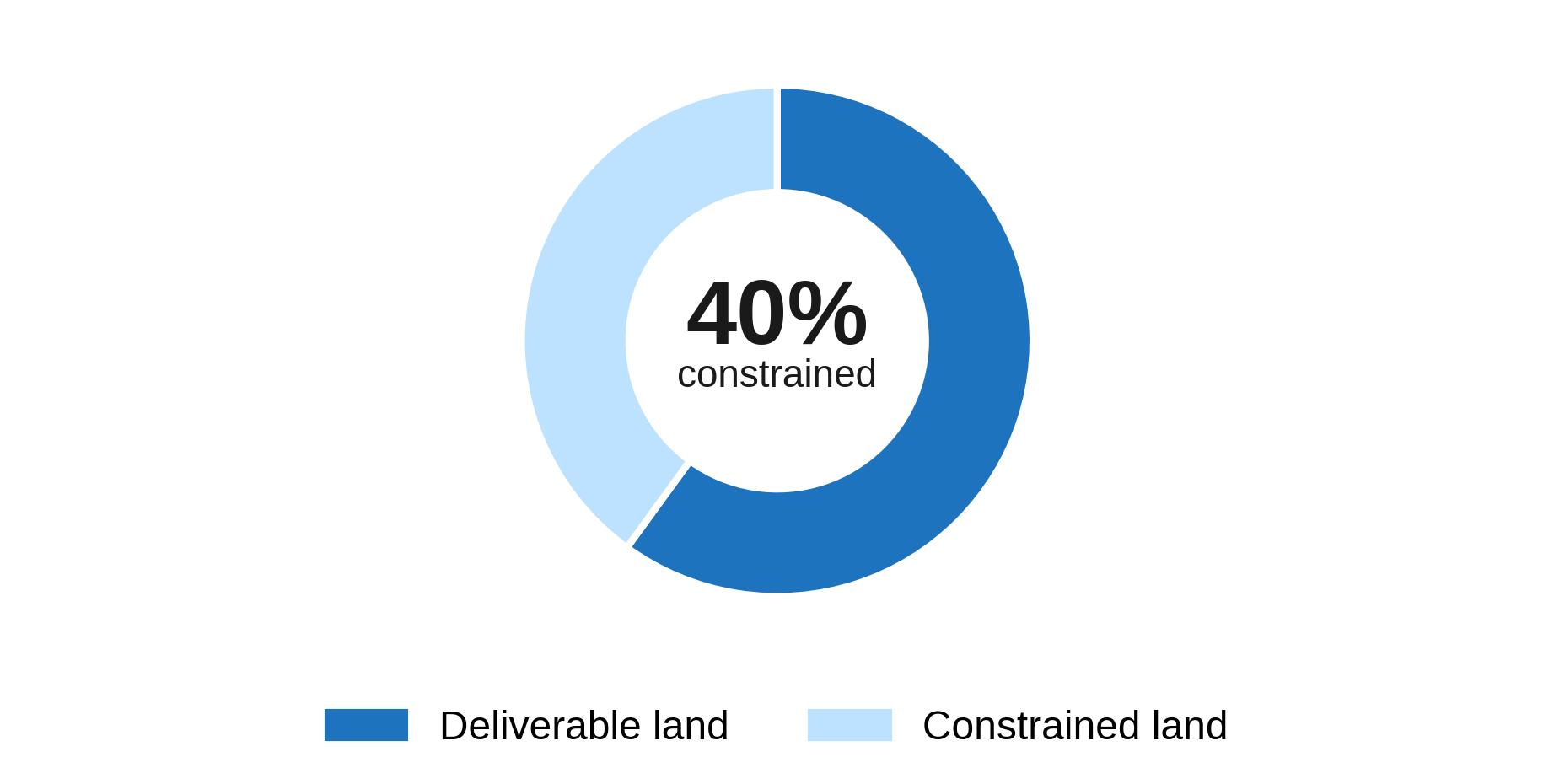
Zoned Land That Isn't Actually Deliverable, Australia
Source: UDIA National Housing Pipeline, 2026
The constraint rate itself varies by region, shaped by different infrastructure and approval bottlenecks. Investors comparing options across interstate markets such as Brisbane, Adelaide and Perth often do so precisely because supply and demand behave so differently in each.
Land Supply Constraints by Region, Australia
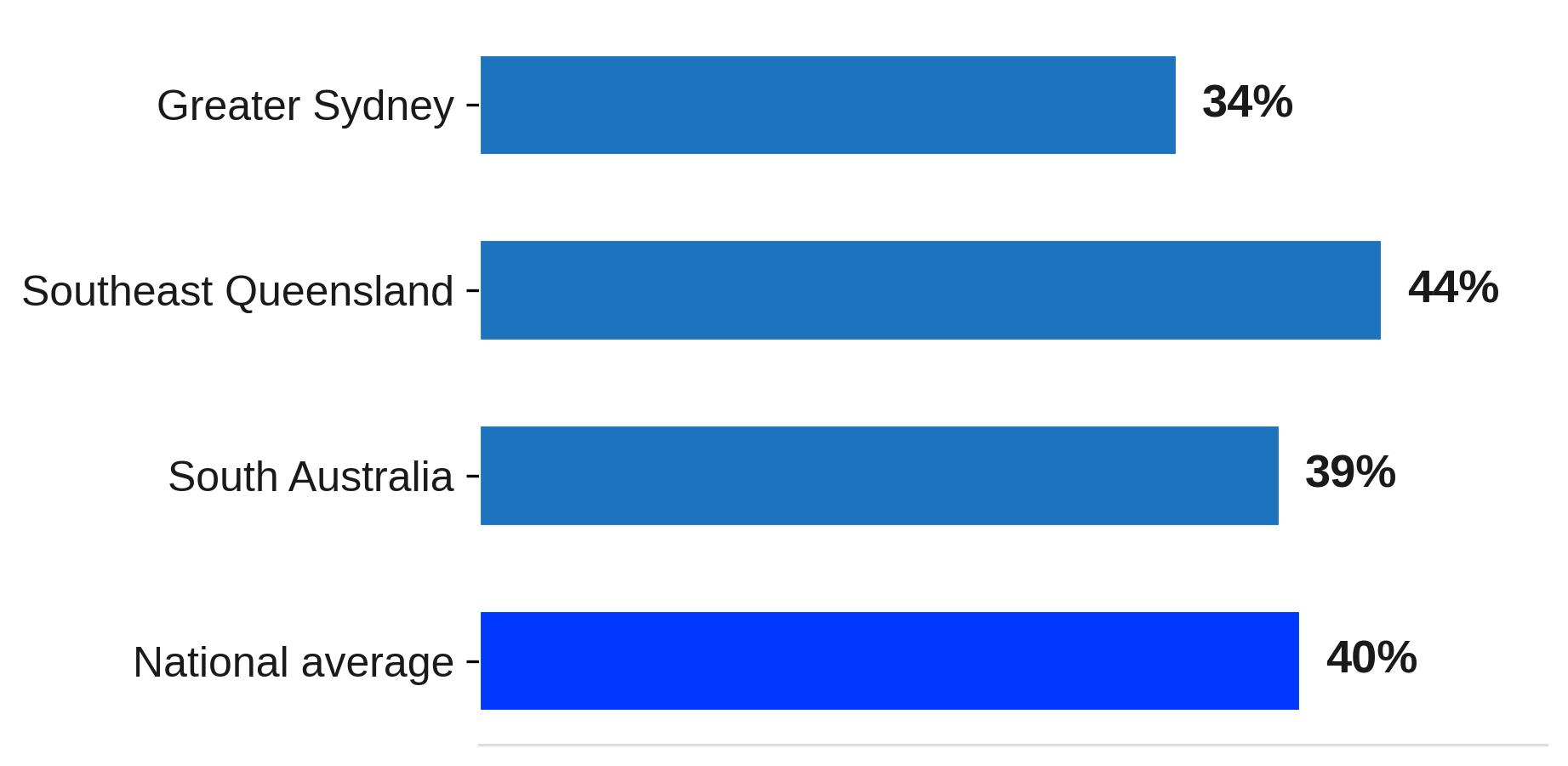
Source: UDIA National Housing Pipeline, 2026
This is where deliverable supply becomes a more useful concept than the shortage headline, and it sits inside the broader property investment Australia picture investors already weigh. A suburb with strong population growth and a heavily constrained pipeline behaves very differently to one with the same growth and a clear one.
Where Could Investors Benefit From Limited Housing Supply?
The opportunity sits where demand is growing faster than deliverable supply, not simply where a shortage headline exists. Four signals help separate a genuine opportunity from a market that only looks constrained on paper.
Look for population and job growth outpacing the local construction pipeline. Look for tight rental conditions that have persisted for more than one cycle. Look for infrastructure investment that signals future demand, and genuine development constraints rather than a market that is simply slow to list.
The reverse signal matters just as much. A market with strong current demand but a large approved pipeline about to land can flip from undersupplied to oversupplied within eighteen months. Melbourne's apartment segment has shown this pattern before.
How to Assess Housing Supply Before You Buy
Checking supply before buying does not require a data subscription. A handful of public sources cover most of what matters.
Start with ABS building approvals and completions data for the specific local government area, not just the state. Cross check the local council's development pipeline for anything approved but not yet built nearby. Review recent vacancy and rental growth trends, since these react to supply changes faster than prices do.
Then confirm the finance side holds up. Understanding how banks calculate borrowing power matters before acting on a supply signal, since even a genuinely undersupplied market is only useful if the purchase is serviceable at a realistic buffer rate. Weighing that against yield and growth together helps confirm the numbers work on their own merits, not just on the supply story. A buyer's agent who already tracks this data across multiple markets can shortcut much of this work.
Final Thoughts
Australia's housing supply is improving, but unevenly, and the national number tells investors very little on its own. Approvals and commencements are both up since the Housing Accord began, yet completions still trail what is needed, and the 1.2 million home target keeps slipping further out.
The real signal sits at the local level, in the gap between demand growth and deliverable, not just approved, supply. A market can look undersupplied and still deliver poor returns if that assumption never gets checked.
Reading supply correctly means checking approvals, pipeline, vacancy trends, and genuine development constraints together, not relying on any single figure. That combination is what actually separates a market worth acting on from one that only sounds like it.

Frequently Asked Questions

Recommended Reading
Two pages selected based on what readers of this article are most likely to need next.
Recommended Video
Australia's record migration surge — peaking at over 528,000 people in a single year — created unprecedented housing demand almost overnight. We explain why the government used population growth as a deliberate tool to avoid recession, how that decision flows directly into property prices Australia-wide, and why rents have surged to record highs as a result.