

Melbourne Investment Property: Best Suburbs Under $500k
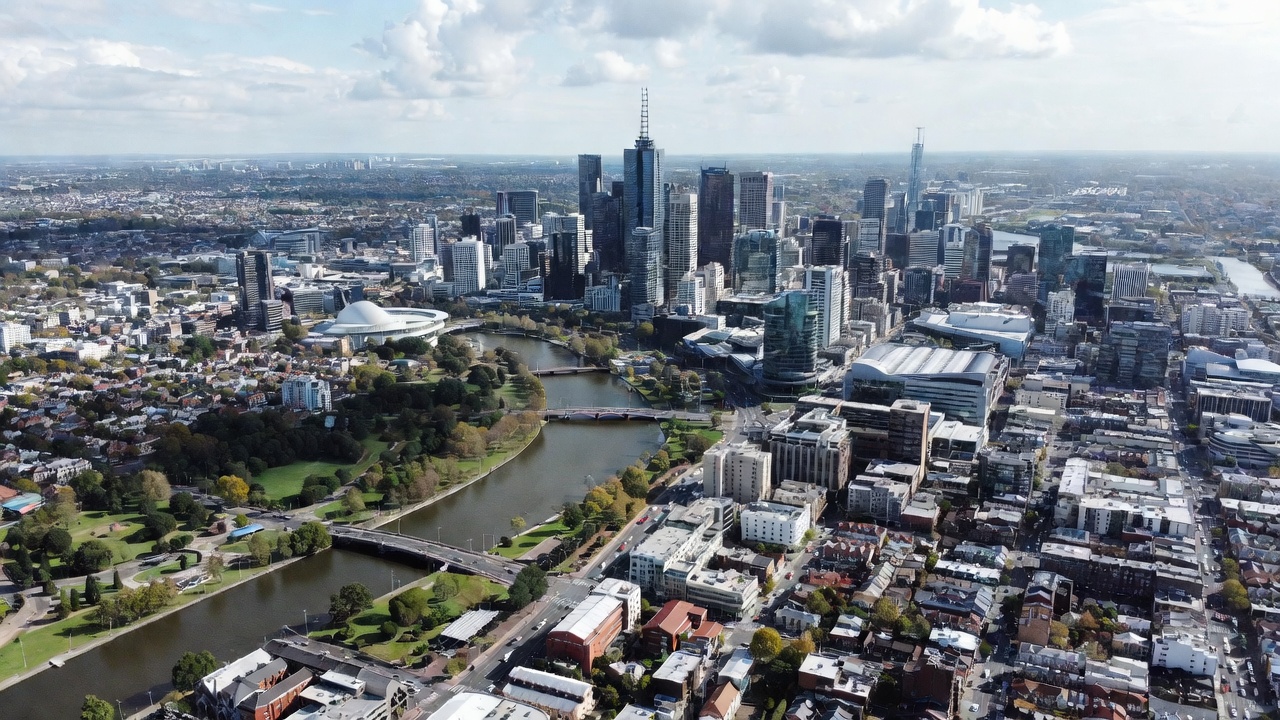
Yes, you can still buy a Melbourne investment property under $500k, but in 2026 that budget buys a unit, not a house. The harder question is which units deserve a closer look, because several of Melbourne's highest-yielding pockets are worth less today than they were five years ago.
That gap between strong rent and a weak price record is where most sub-$500k mistakes happen. The wider Melbourne property market has been falling for most of 2026, which gives buyers time but not certainty.
Below, we screen the suburbs still under $500k with one set of tests. We also show the cost line, hidden in a building's records, that can turn a good yield into a weekly shortfall.
Can You Still Buy a Melbourne Investment Property Under $500k?
Not as a house. Domain data for the 12 months to June 2026 shows no Melbourne house suburb with a median below $500,000, and the cheapest, Melton, sits at $557,000.
Cotality puts Melbourne's median house value at $920,432 and its median unit value at $629,054 at the end of August 2026. Even after values fell 4.7% over the year, Melbourne property under $500k means units, apartments and some older townhouses.
What $500k buys across Melbourne in 2026
Inner pockets such as Travancore and Essendon North offer older units close to trams and the city. Suburbs further out, such as Notting Hill, Cairnlea and Williams Landing, offer newer stock near stations and jobs.
Our guide to the best investment suburbs under $500k compares Melbourne with other cities at the same price.
Melbourne Median Values Compared With a $500k Budget
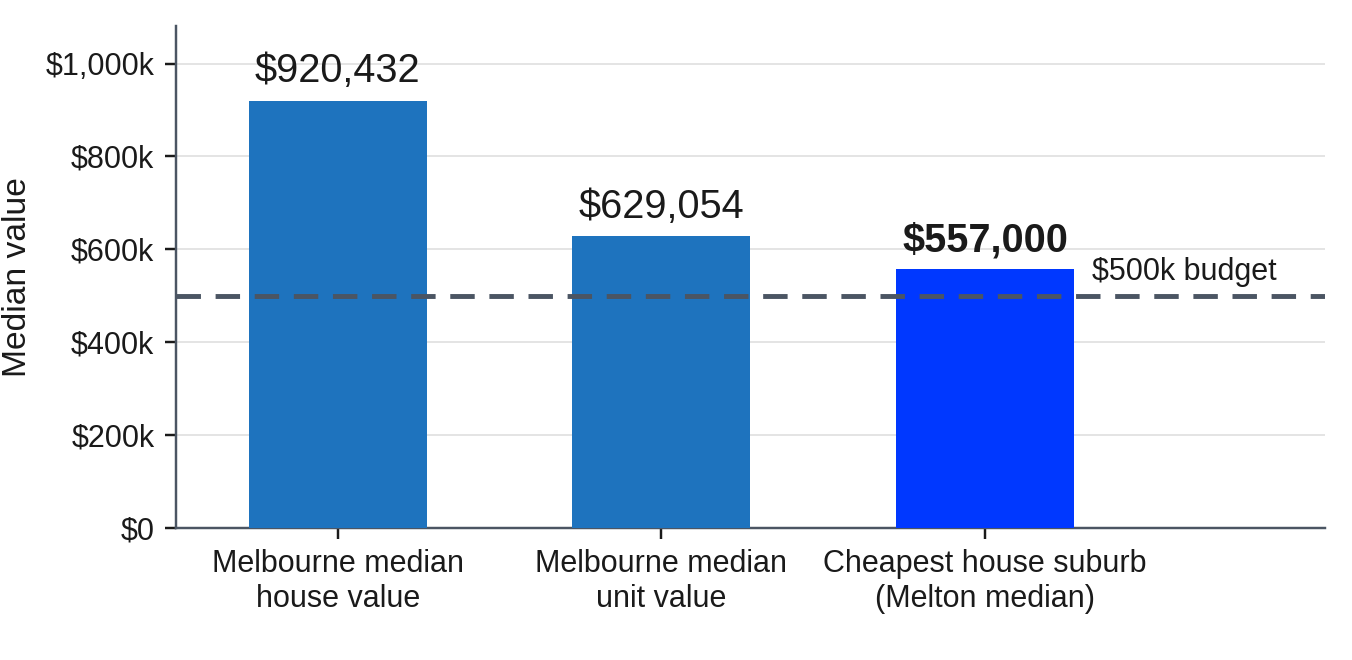
Source: Cotality Home Value Index, September 2026; Domain, 12 months to June 2026
How to Find Good Investment Suburbs in Melbourne Under $500k
Most lists of the best suburbs to invest in Melbourne rank on one number, usually price or yield. Both are good starting points and poor finishing points.
A better screen runs in order: price, sales volume, yield, vacancy, demand, long-term growth, supply and then the property itself. Our guide on how to read a suburb profile shows where to find each figure.
Start with purchase price and sales volume
Price tells you what you can afford. Sales volume tells you whether you can sell later, and every suburb in this guide recorded at least 10 unit sales in the year.
Compare Melbourne rental yield against growth
Gross yield is annual rent divided by price. Cotality puts Melbourne's gross yield at 4.0%, ahead of Sydney at 3.3% and Brisbane at 3.4%.
Many sub-$500k units clear 6%. Check the five-year price record first, because a high yield often comes from a falling value rather than a rising rent.
Check the Melbourne vacancy rate and rental demand
SQM Research recorded a Melbourne vacancy rate of 1.8% in August 2026. That is still tight, but it is the second highest of any capital and double Brisbane's 0.9%.
Melbourne unit rents also slipped 0.8% over the month. Check vacancy by postcode, as our analysis of rental vacancy rates in Australia's best suburbs explains.
Melbourne Investment Suburbs Under $500k to Investigate
If you are working out where to buy an investment property in Melbourne under $500k, start with these five unit markets. Treat them as a shortlist to investigate, not a list to buy from.
Source: Domain, 12 months to June 2026
Travancore: highest yield, weak long-term record
Travancore returns 7.6% on a $370,000 median, yet sits 3.6% below its level of five years ago. Close to trams and parkland, it suits well-kept units in small blocks with few competing rentals.
Notting Hill: strongest recent growth
Notting Hill units rose 22.6% in a year to $429,000, but only 7.1% over five years. Monash University's Clayton campus supports demand, so test every price against recent sales.
Cairnlea: flat prices, steady income
Cairnlea yields 6.4% but is up just 1.2% over five years. Favour low-maintenance townhouses near the lake over apartments in large complexes.
Essendon North: strong rent, weakest five-year result
Essendon North yields 6.4% on $411,000, yet is down 12.4% over five years. Check the age and condition of the stock before you look at the rent.
Williams Landing: station-led demand, falling prices
Williams Landing yields 6.7% but fell 7.8% over the year. Its station and business park support tenants, while new apartments in the estate can cap resale prices.
Rental Yield vs Five-Year Growth for Melbourne Units Under $500k
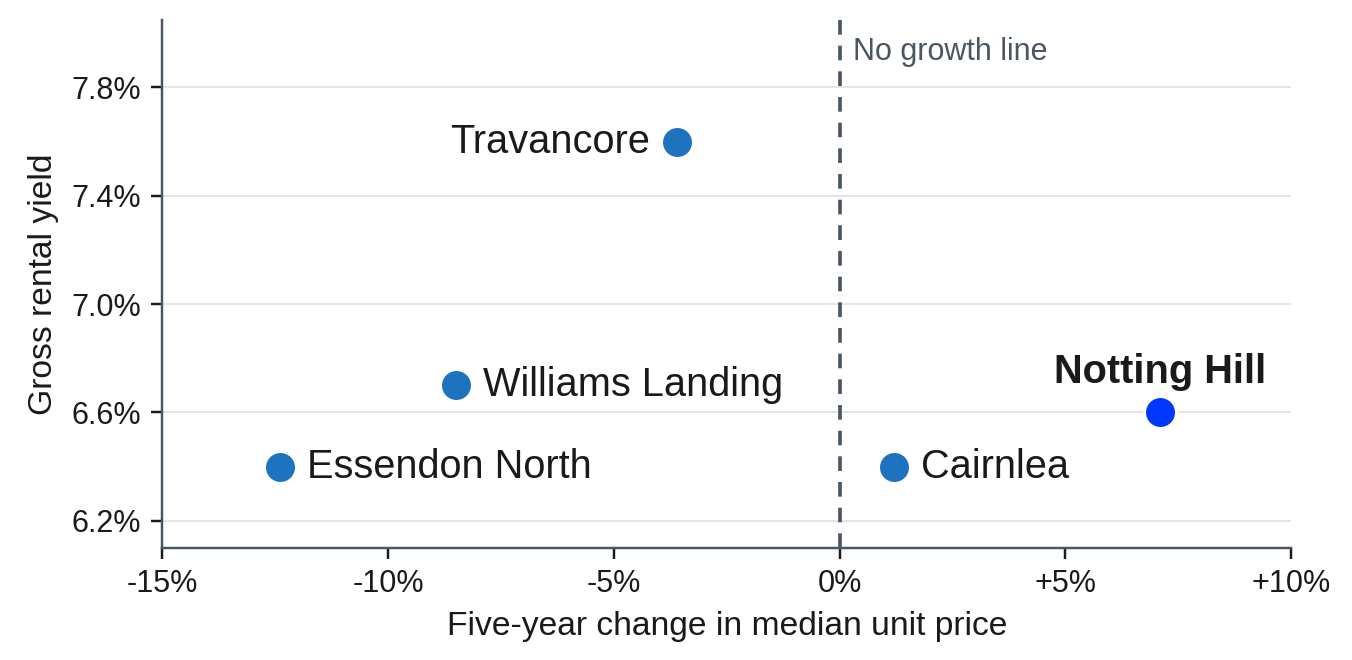
Source: Domain, 12 months to June 2026

House or Unit Investment in Melbourne Under $500k: Which Is Better?
Under $500k, the real choice is which kind of unit you buy. Our comparison of house vs apartment covers the wider trade-off.
The case for Melbourne units under $500k for investment
Units offer a lower entry price, higher gross yields and often better transport access than a house at the same budget. That can mean a smaller loan and less cash flow pressure.
Owners corporation fees, special levies and building quality
Owners corporation fees are the hidden line in most sub-$500k deals. They can run to thousands a year, and a special levy for cladding or waterproofing can add far more.
In Victoria, the owners corporation certificate comes with the vendor's Section 32 statement. Consumer Affairs Victoria notes it lists fees, insurance, proposed works, fee increases and legal claims.

Resale demand and owner-occupier appeal
The strongest units appeal to owner-occupiers as well as tenants. A two-bedroom unit with parking and good light in a small block has far more future buyers than a studio in a large investor-heavy tower.
What Makes a Good Investment Property in Melbourne?
Cheap investment property in Melbourne is easy to find. Across property investment in Australia, the properties that grow share a few traits:
Broad rental demand from jobs, transport and education.
A yield that still works after fees, rates and interest.
Long-term growth, not just one strong year.
Limited competing supply nearby.
Regular sales of similar stock.
Good layout, light, parking and building condition.
Our guide to what makes a good investment property covers each test in depth.
One-Year vs Five-Year Change in Melbourne Unit Prices Under $500k
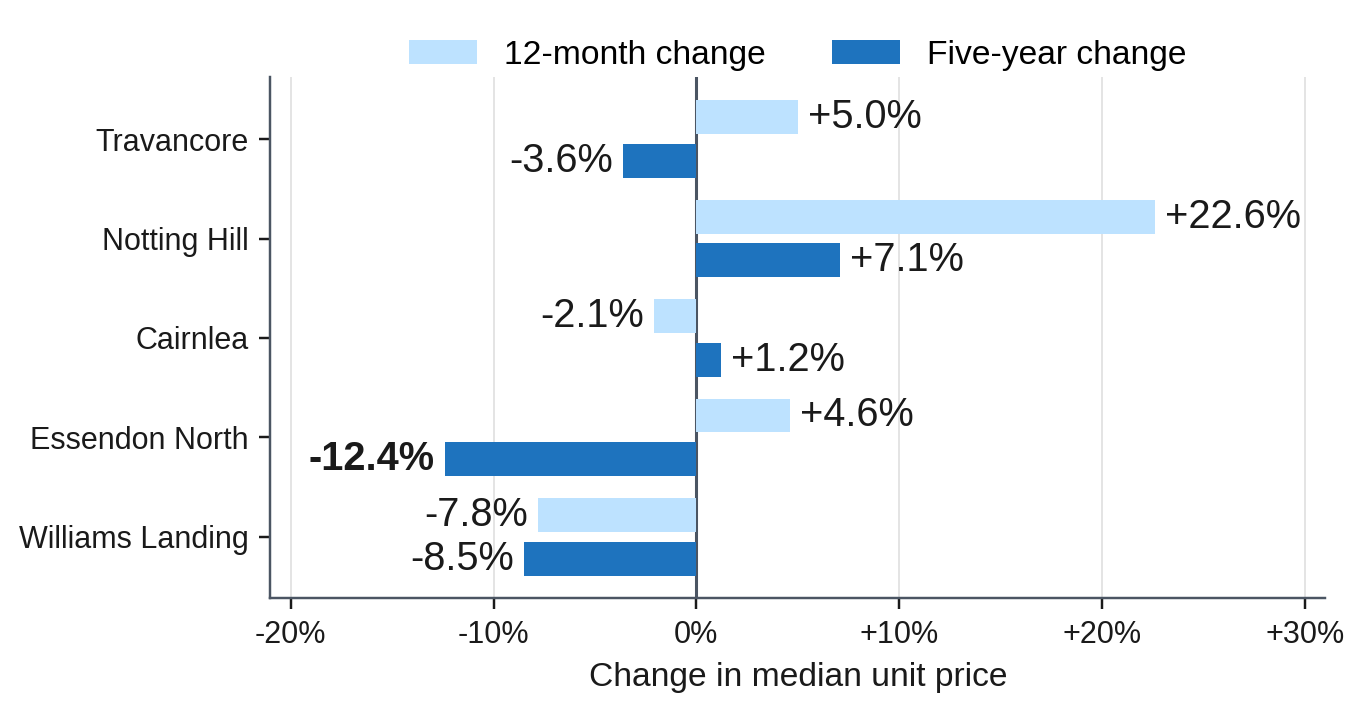
Source: Domain, 12 months to June 2026
Melbourne Property Market Analysis: What Investors Should Watch
Any Melbourne property market analysis in 2026 starts with a market that is still falling.
Melbourne property prices
Cotality data shows Melbourne values fell 1.1% in August 2026 and sit 6.8% below their March 2022 peak. Lower prices mean less competition, but they do not confirm a floor.
Interest rates and borrowing costs
The RBA cash rate is 4.35% after three rises in 2026. As of 21 September, all four major banks expect another rise at the 29 September meeting. Our breakdown of the RBA's August 2026 decision explains the investor impact.
Tax changes for established property
The 2026 to 2027 Federal Budget proposed limiting negative gearing to new builds. For established homes bought after 12 May 2026, losses from 1 July 2027 could not be offset against wages.
Most sub-$500k units are established, as our article on new builds vs established property explains.
Population and supply
Victoria's population grew 1.6% in the year to March 2026, the second fastest of any state, according to the ABS. Near new stations, such as those covered in our State Library station piece, check what is still being built.
How to Assess a Melbourne Investment Property Before Buying
Suburb data narrows the search. Due diligence on the property decides the deal.
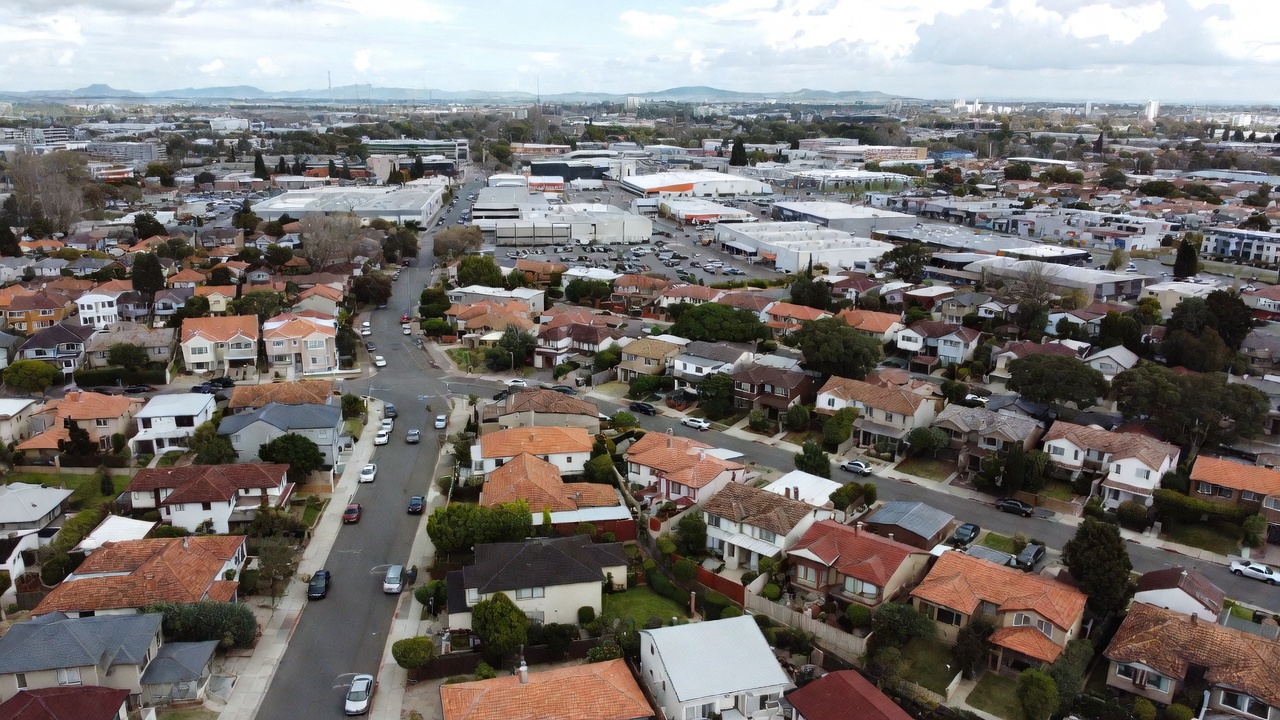
Before you buy investment property in Melbourne, work through these checks:
Compare recent sales in the same building or street.
Check leased rents, not asking rents.
Count competing units listed for rent and sale nearby.
Review owners corporation fees, levies and planned works.
Get a building and pest inspection.
Calculate cash flow after every cost, then test a higher rate.
Our list of investment property red flags covers the warning signs.
Annual Cash Flow on a $411,000 Melbourne Unit
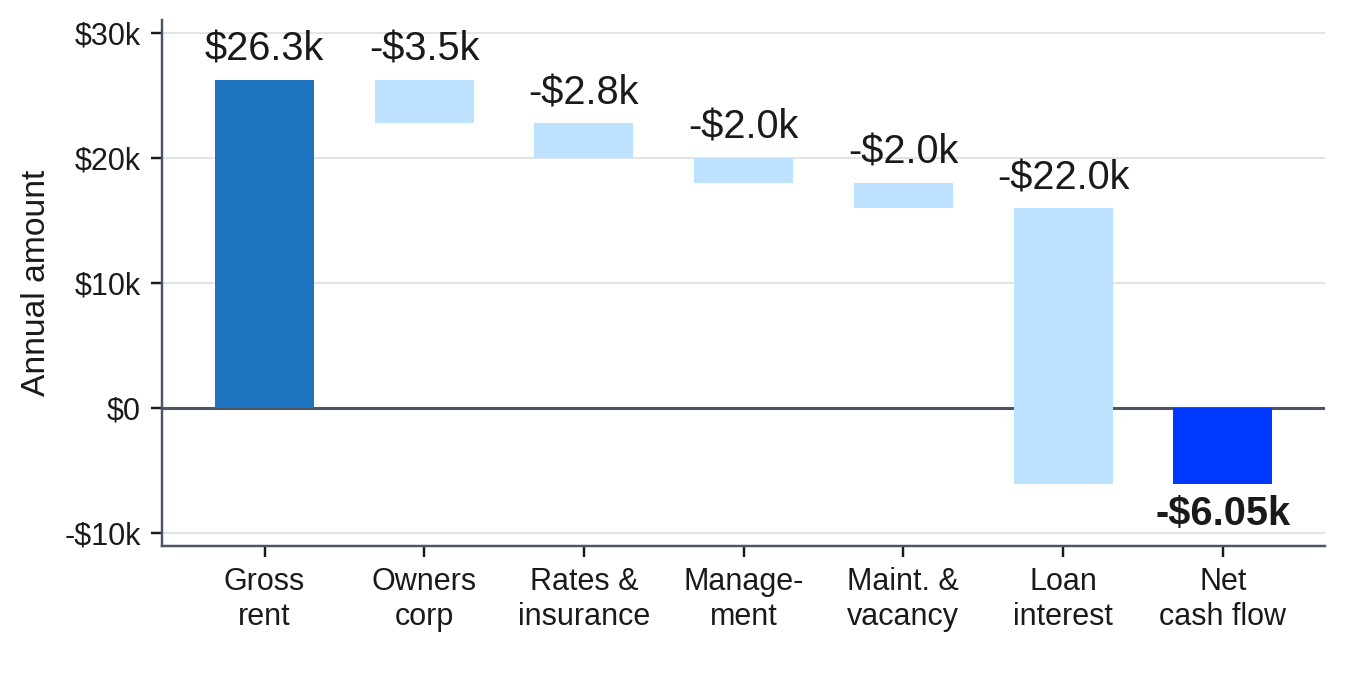
Source: FPW Group illustrative calculation, Domain Essendon North unit data.
Check your borrowing capacity before you shortlist
Lenders assess investment property loans in Melbourne at a buffer above your actual rate, and they count owners corporation fees. Calculate your borrowing capacity before you make offers.
Is a Melbourne Investment Property Under $500k Right for Your Strategy?
Investors prioritising rental income
High-yield units such as Travancore suit investors who need rent to carry the loan. Accept slower growth and buy only where vacancy is low.
Investors prioritising capital growth
Favour units with some land and owner-occupier appeal, even at a lower yield.
Investors balancing yield and growth
Our guide to yield vs growth shows how to balance both. On this list, Notting Hill and Cairnlea come closest.
When a cheaper property may carry greater risk
Cheaper often means older, smaller or part of a large complex. If you cannot inspect in person, a buyer's agent can check the risks suburb data cannot show.
Final Thoughts: Look Beyond the $500k Price Tag
A Melbourne investment property under $500k is still possible in 2026, but it is a unit decision, and the cheapest option is rarely the strongest. The suburbs with the highest yields often carry the weakest five-year growth.
The comparison that matters puts price, rental demand, yield, vacancy, growth, supply, property quality and resale potential side by side. Add a falling market, a possible rate rise this month and proposed tax changes for established homes, and cash flow becomes the deciding test.
Use suburb data to build the shortlist. Use owners corporation records, leased rents and real cash flow numbers to choose the property.
Frequently Asked Questions

Recommended Reading
Two pages selected based on what readers of this article are most likely to need next.
Recommended Video
8,000 completed apartments sitting unsold. Vacancy creeping up in the CBD. Rents softening in Southbank. The headlines make it sound like the entire city is in trouble. But when you dig into where that oversupply actually sits, how it got there, and who it competes with, the picture looks completely different.