

Bathla: Lessons Investors Should Know About Property Investment
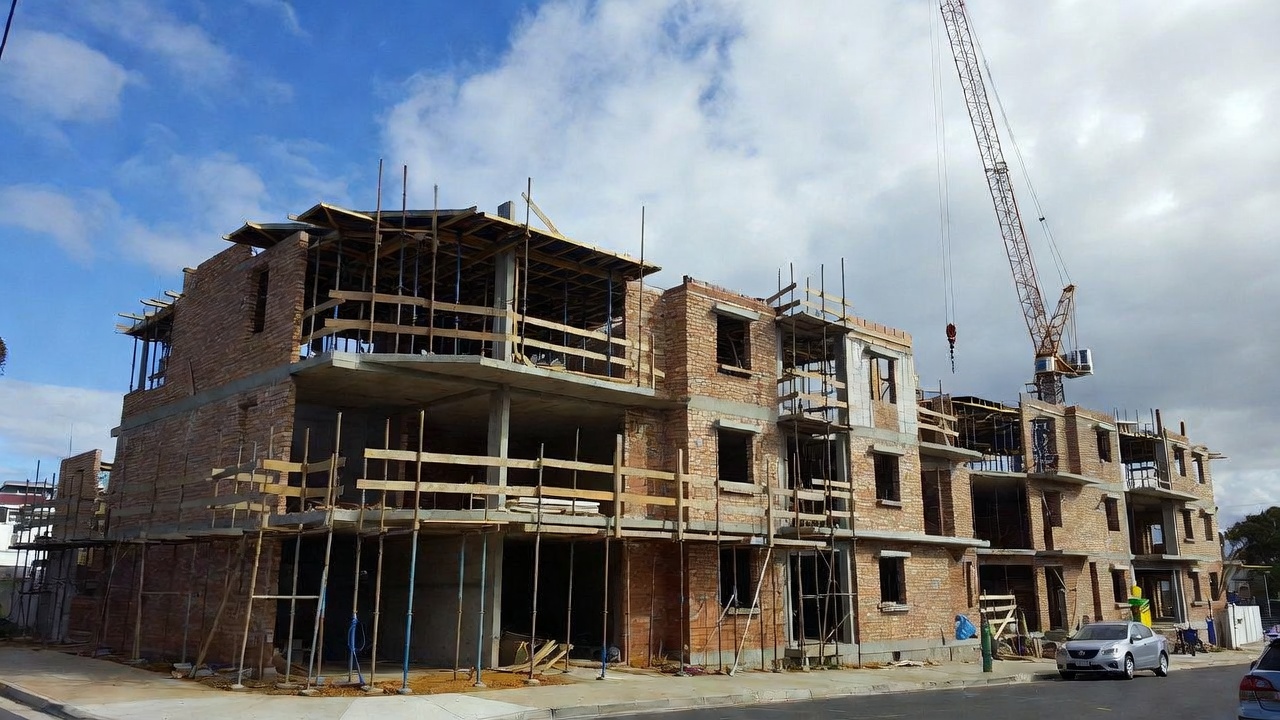
When a developer the size of Bathla Group collapses into administration, it exposes a risk most property investment guides barely mention: you are not just buying a property, you are relying on the business building or holding it. Bathla's voluntary administration in August 2026 left thousands of homes and buyers across three states in limbo.
The company's own explanation, a mix of softening sales, tax changes and rising construction costs, sounds specific to Bathla. The same pressures sit underneath plenty of developments still selling and building today. The real question is not whether Bathla was unusual. It is how you would have spotted the risk beforehand, and what actually happens to a buyer if a developer fails partway through a project.
What Happened With Bathla Group?
Bathla Group, a family owned Western Sydney developer founded in 1997, entered voluntary administration on 25 August 2026. Restructuring firm Teneo was appointed over key entities including Universal Property Group, which reported around $3.2 billion in liabilities.
Managing director Bhart Bhushan pointed to a “perfect storm” of softening sales, tax changes from the federal budget and rising construction costs. At the time of the announcement, the group had roughly 2,000 homes under construction and a development pipeline reported at several thousand more dwellings.
By early September, two-thirds of Bathla's staff had been stood down, and only some of its 45 active projects were confirmed to continue under short-term funding.
Bathla Group: Timeline of a Collapse
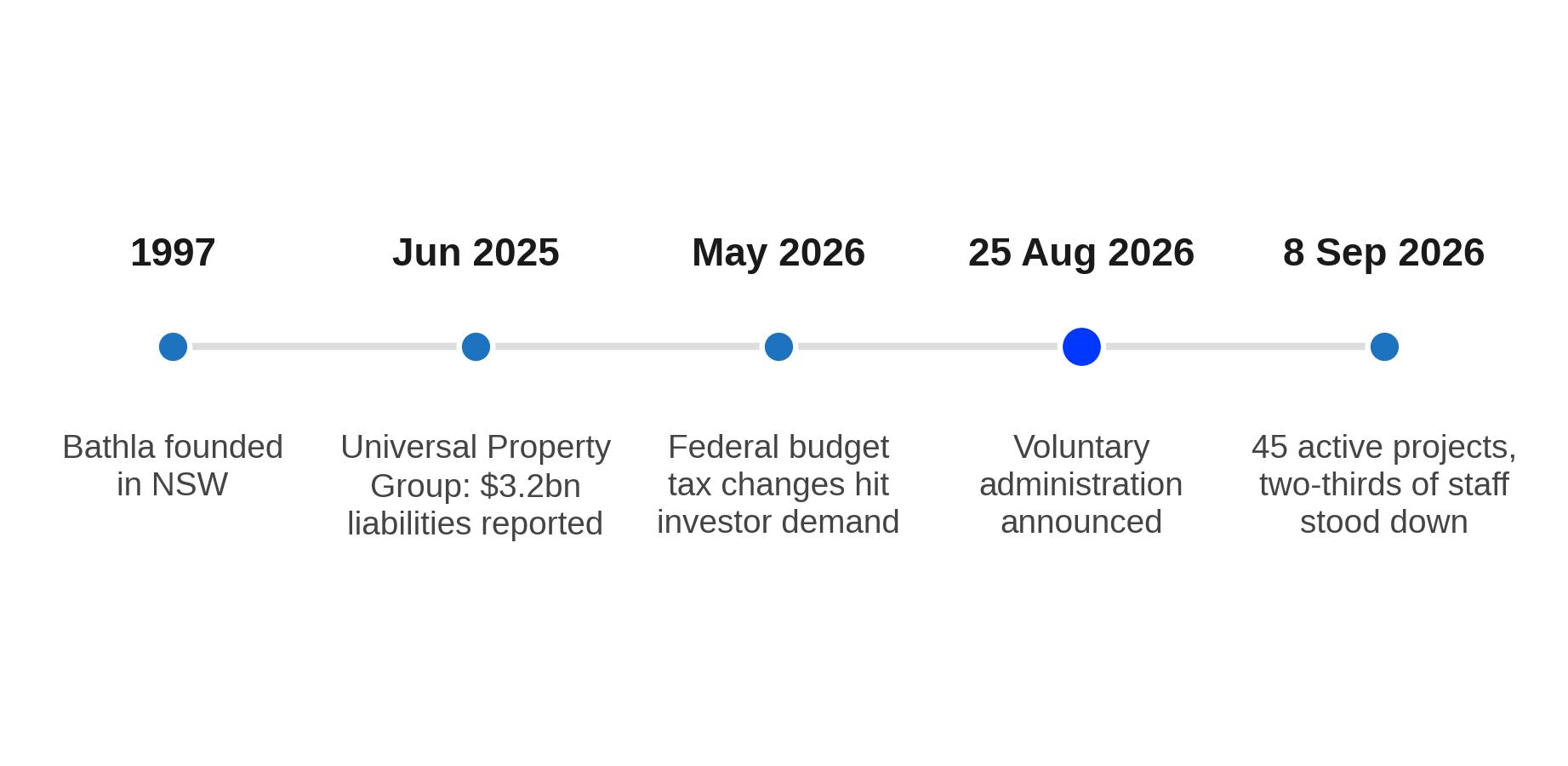
Source: ABC News, August and September 2026.
Why Developer and Builder Stability Matters in Property Investment
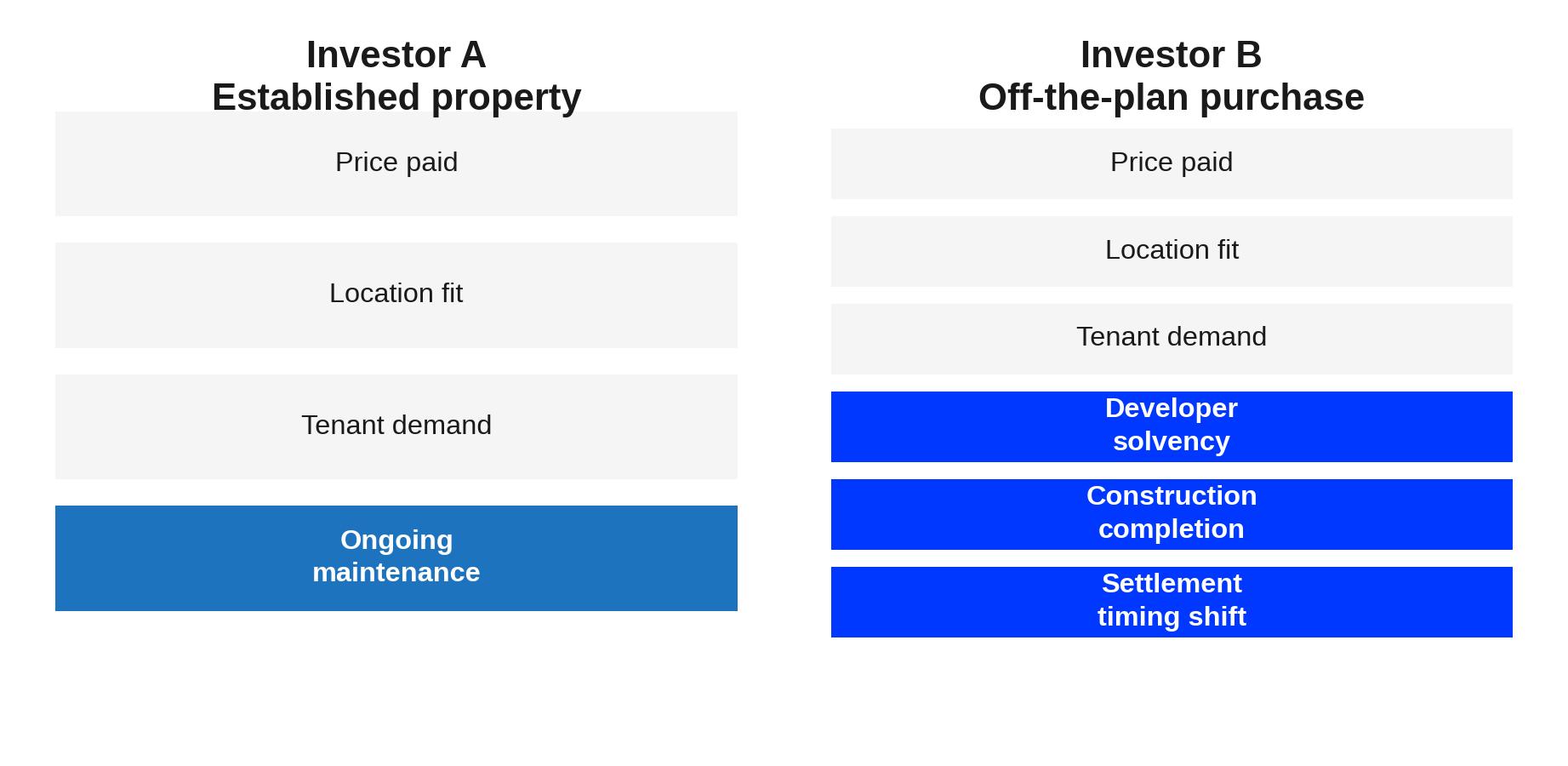
Every property investment strategy eventually comes down to trusting someone else to deliver, manage or maintain the asset. With an established property, that reliance is limited to a property manager. With a new build, it extends to the developer's balance sheet and the builder's ability to finish the job.
Bathla's collapse is also a reminder of how construction failures shape housing supply across Australia: more than 1,500 construction firms failed in New South Wales alone in the 2025 to 2026 financial year. Buyers often stretch their borrowing capacity to secure an off-the-plan contract years in advance, which is exactly the period when a developer's financial position can change the most.
How to Assess a Property Developer Before You Invest
Checking a developer is not the same as checking a suburb. It means looking at the entity actually responsible for delivering the project, not just the marketing material for it.
Developer Due Diligence Checklist Before You Buy
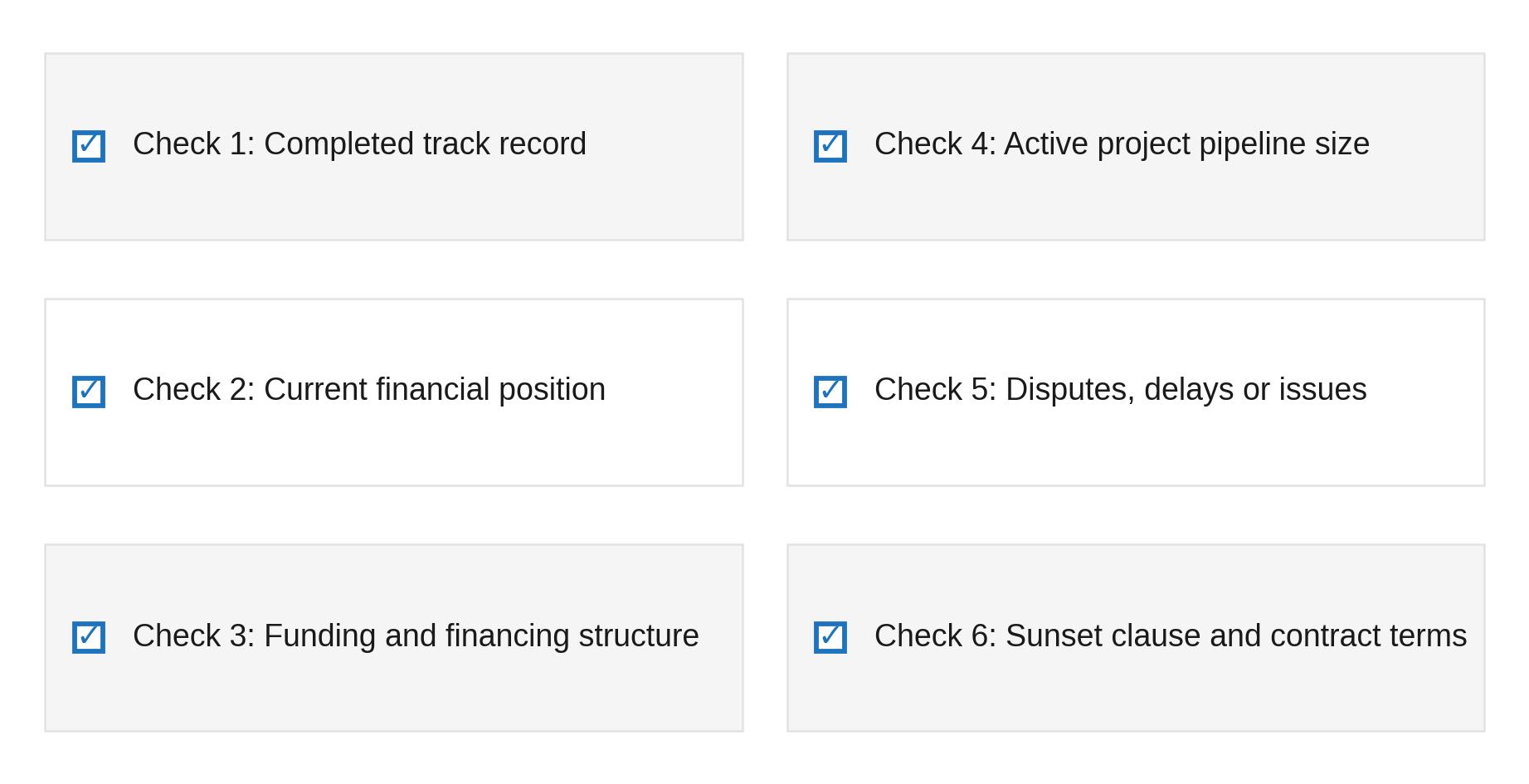
Source: FPW Group analysis; ASIC company search guidance, 2026.
Skipping this step is one of the more common property investment mistakes made by first-time investors, particularly when a project is selling quickly and the pressure to secure a contract feels urgent.
A buyer's agent experienced with new developments will typically run several of these checks as a matter of course, because a strong-looking display suite tells you nothing about the company's financial position.
What Happens If Your Developer Enters Administration?
Administration triggers a set process, not an automatic loss. The administrator takes control of the company, reviews its financial position and works out whether the business, and its individual projects, can continue.
What Happens If a Developer Enters Administration
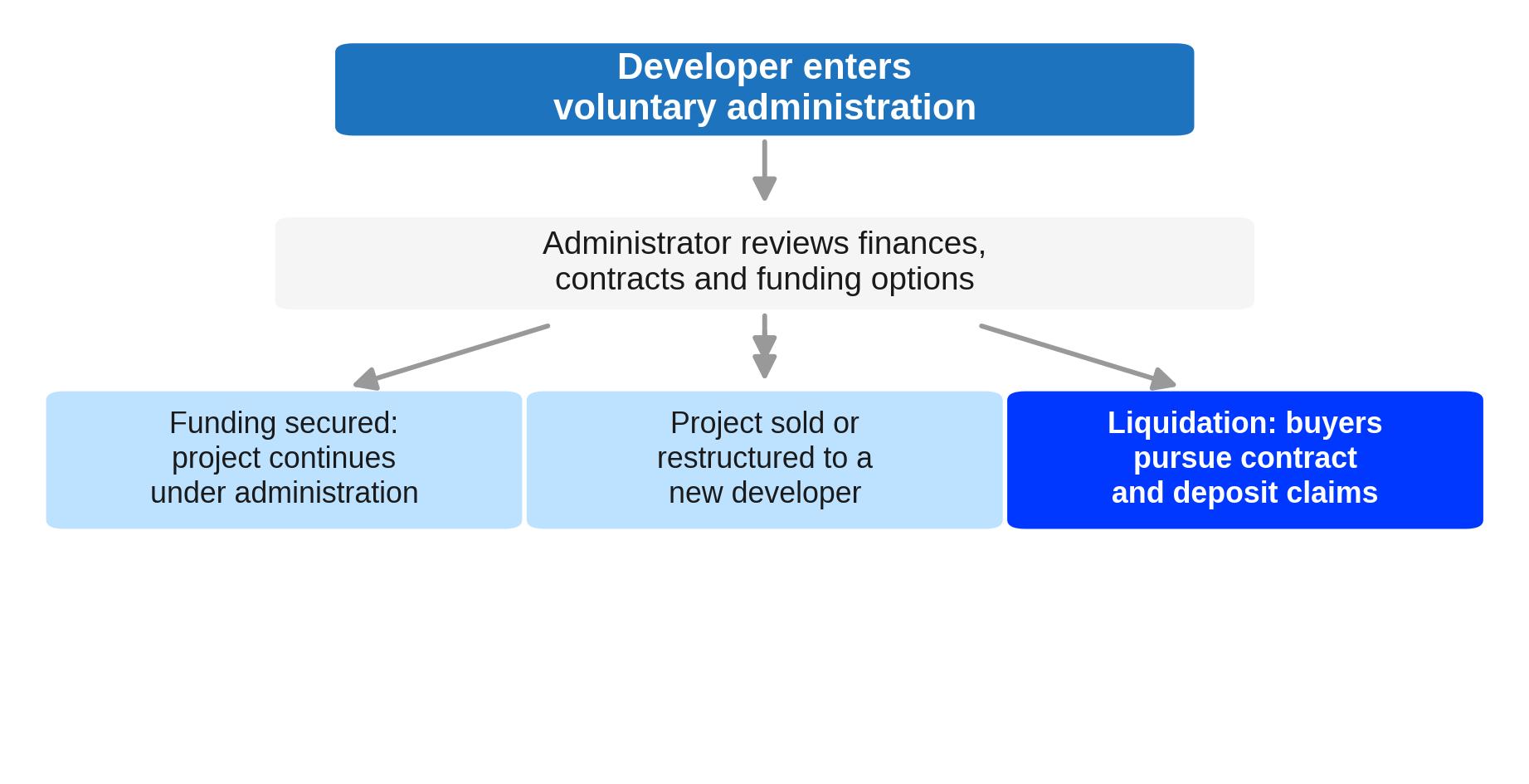
Source: FPW Group analysis, 2026.
If your settlement is delayed, your own finance approval does not necessarily hold. How lenders assess borrowing capacity and mortgage stress testing matters again if your loan needs reassessing months or years after your original approval, particularly if rates or your circumstances have changed.
Off-the-Plan vs Established Property: Where the Extra Risk Sits
The clearest way to see the difference is side by side. Two investors with a similar budget can be carrying very different levels of risk depending on what they actually bought.
Investor A vs Investor B: Where the Extra Risk Sits
Source: FPW Group analysis, 2026.
New build versus established property investment covers this trade-off in more depth, including how finance approval and valuation timing differ between the two paths.
The Bigger Lesson for Property Investors
Bathla's collapse is not a verdict on every developer or every off-the-plan project. It is a reminder that a good-looking property and a good investment are not automatically the same thing.
Before your next purchase, review the property itself, run the numbers, and check what actually makes a property investment grade, alongside the entity responsible for delivering it. A due diligence process built before you feel pressure to sign is worth far more than one built after news of a problem breaks.
Frequently Asked Questions
Recommended Reading
Two pages selected based on what readers of this article are most likely to need next.
Recommended Video
These are not dramatic mistakes or rare worst-case scenarios. They’re the pressure points that often show up after purchase—when the property is already settled, the loan is in place, and the reality of ownership starts to unfold. From growing cashflow pressure and tenant risk to interest rate changes, rising ownership costs, overpaying at the start, and making structural decisions too late, this episode explains why even good properties can start to feel heavy when these issues aren’t understood early.